


















We assess your needs and recommend the best treatment.
Relief Doesn’t Have to Take Years
Associations and Accreditations

Meet the Doctors
Board-certified. Research-driven. Compassion-focused.
Leena Rajagopal, MD
Ritesha Krishnappa, MD, FAPA
"I had a wonderful experience, I’m feeling much better and couldn’t have been happier with the staff."
JOE K
Explore Treatments That Fit You
Comprehensive Psychiatric Care
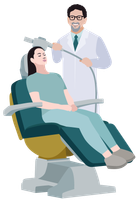
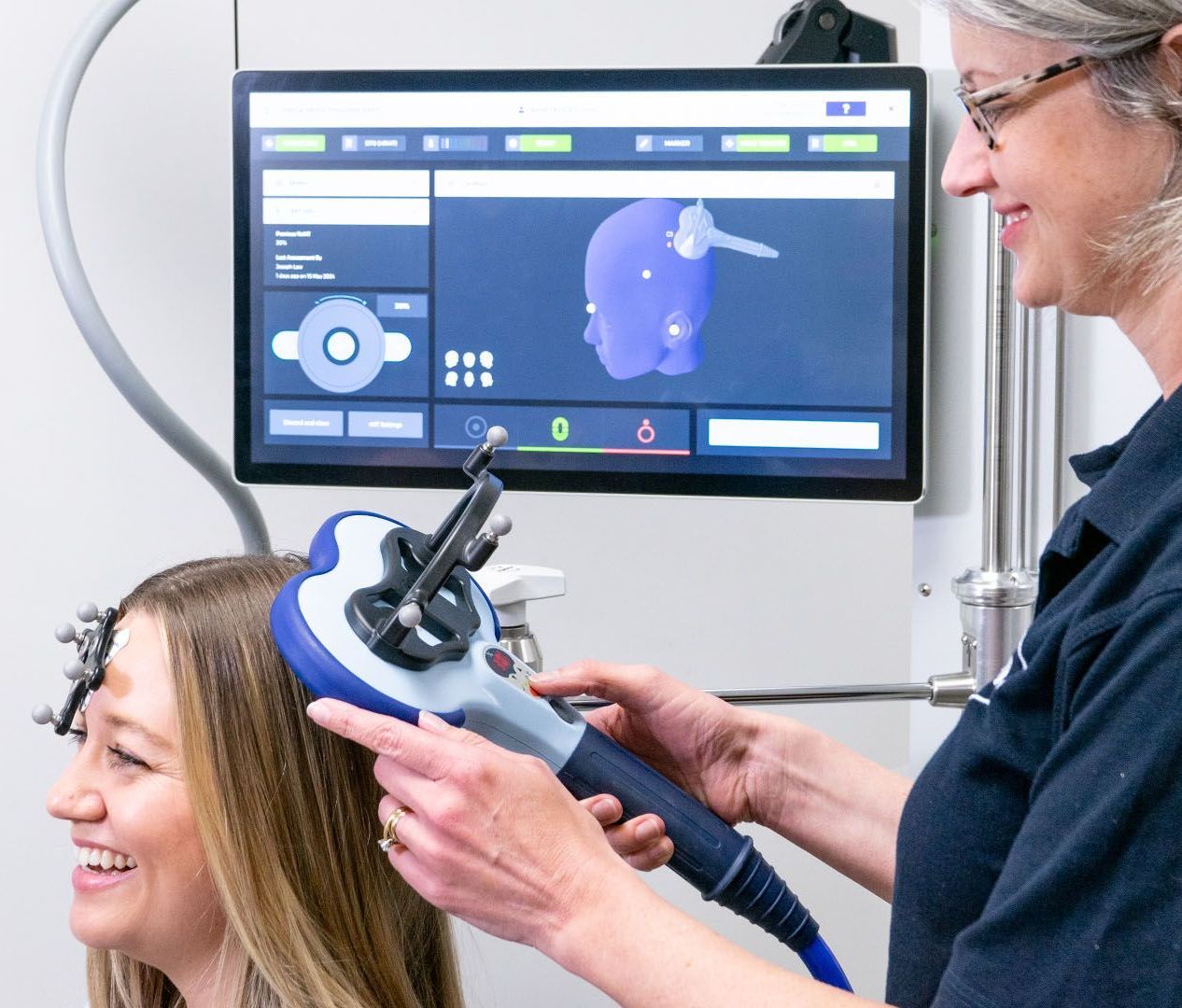
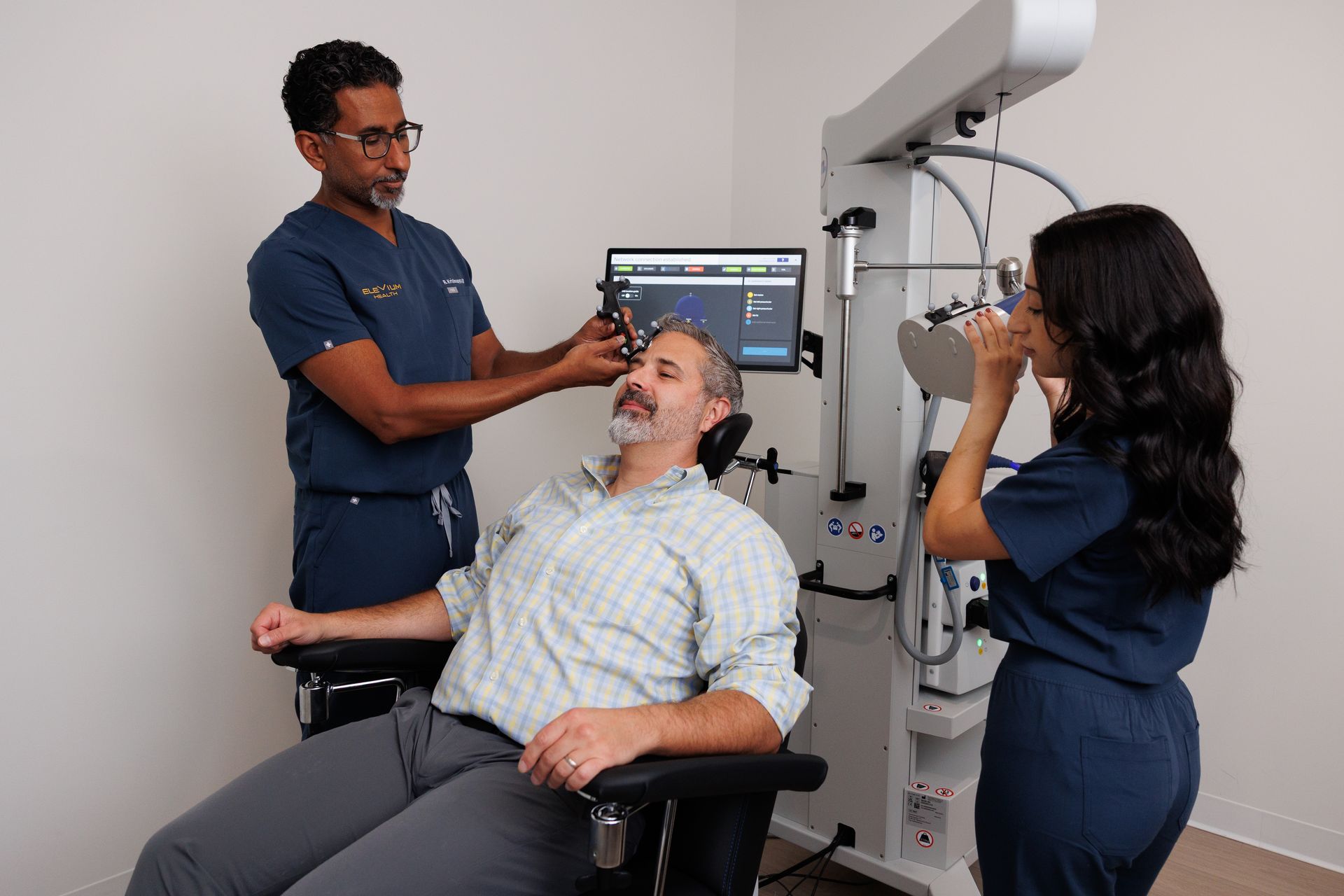
TMS Therapy
A non-invasive and drug-free treatment for depression, OCD, and anxiety. FDA approved and covered by most insurance providers.
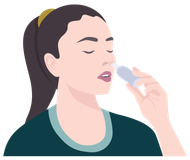
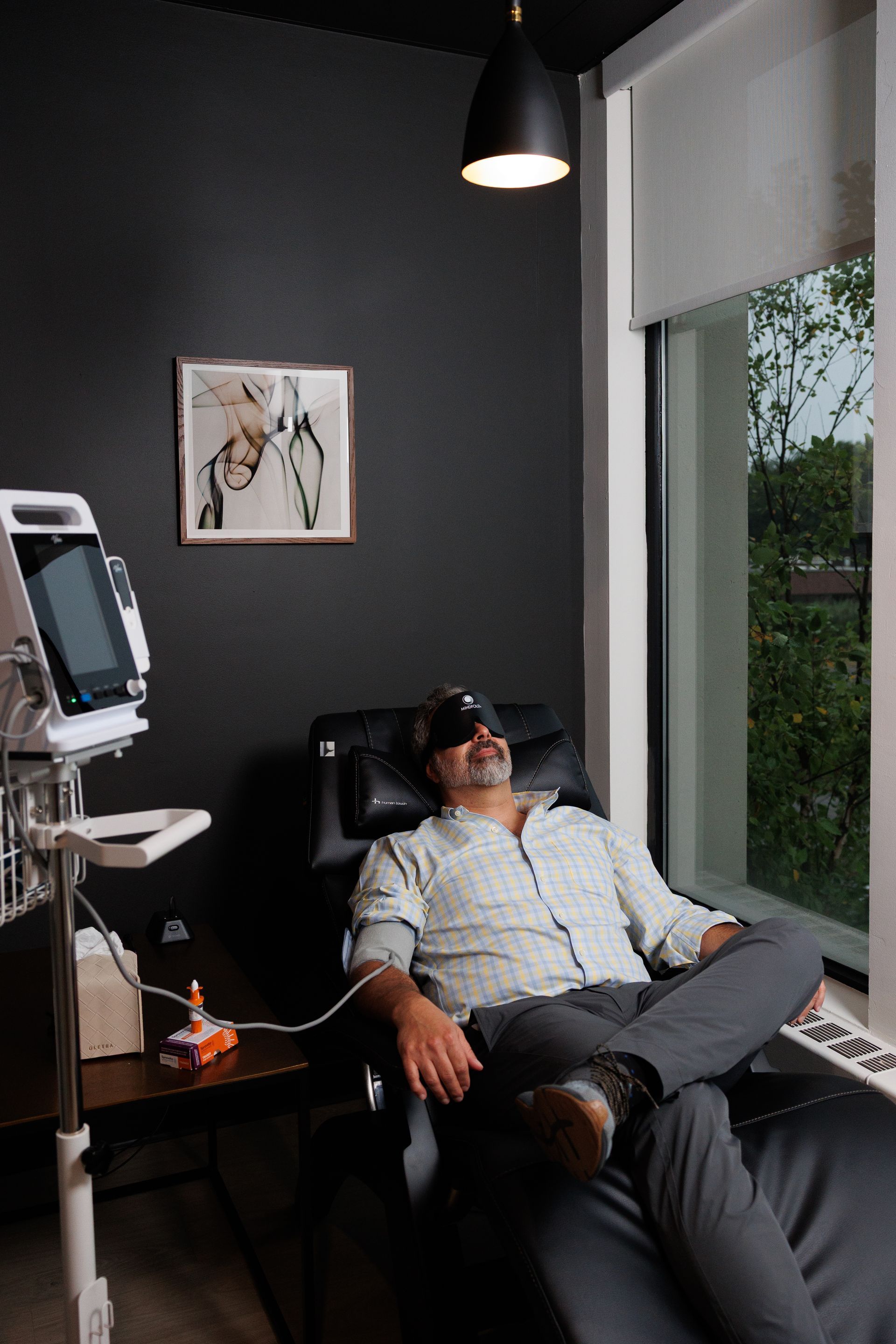
Spravato
A fast-acting nasal spray for depression. FDA-approved and administered under medical supervision to reduce symptoms quickly and safely.
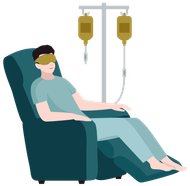
Ketamine
Available in IV, intramuscular, and oral forms. Ketamine is a fast-acting option for depression, anxiety, and PTSD.
Medication
Comprehensive psychiatric evaluations, prescriptions, and regular follow-up to ensure safe and effective medication use.

Psychotherapy
Evidence-based approaches including CBT and DBT to help you manage stress, trauma, and emotional challenges with lasting results.
Featured IN




8 Weeks → 5 Days
Accelerated TMS for Faster Relief
Fast, effective course - 10 short sessions daily over 5 days (iTBS or similar), compressing a standard TMS course into one intensive week.
Designed for busy lives - Ideal for executives, commuters, and destination patients who want private, time-efficient care; concierge scheduling and discreet self-pay options available.
All-in care & follow-up
- Evaluation, motor-threshold titration, daily treatments, outcome tracking, and post-course/booster planning; we coordinate with your local clinician.
Why Choose Elevium
Expert Mental Health Care In Florham Park, NJ
Expert, compassionate care tailored to you. From
psychotherapy to TMS and ketamine therapy, we provide
trusted, evidence-based mental health treatment designed for lasting wellness.
Your Questions Answered
Frequently Asked Questions
Is Ketamine therapy safe?
Yes. At Elevium, ketamine is administered in a medically supervised setting by trained professionals. We monitor your response closely to ensure your comfort and safety.
Can I combine therapy with these treatments?
Absolutely. Many of our patients combine psychotherapy with TMS, Ketamine, or medication for more holistic care. We’ll help create a plan that fits your goals.
Does insurance cover these treatments?
Most insurance plans cover TMS, Spravato, psychotherapy, and medication management. Ketamine is typically not covered, but we offer self-pay options and can help explore financing. Visit our pricing guide
How Is Spravato different from Ketamine?
Spravato is a nasal spray that uses esketamine, a derivative of ketamine. It’s FDA-approved for treatment-resistant depression and is covered by many insurance plans. Unlike IV ketamine, it is administered intranasally and must be done in-clinic under supervision.
What conditions do you treat?
We specialize in treating depression, anxiety, PTSD, OCD, and treatment-resistant conditions. We also offer support for mood disorders, trauma, and stress-related concerns.
Do you offer medication management?
Yes. Our psychiatrists provide comprehensive medication evaluations, prescriptions, and follow-up care. We also help patients who are already on medication but need a second opinion or better results.
Am I a candidate for TMS?
TMS is often recommended for people who haven’t found relief with antidepressants or therapy. If you have depression, OCD, or anxiety and want a non-medication approach, TMS may be a fit. Take our quick quiz →
What is Ketamine therapy?
Ketamine is a fast-acting treatment for depression, anxiety, and PTSD. It works differently from traditional antidepressants and may provide relief within hours or days. We offer IV, IM, and oral options based on your needs.
Learning Center
Featured Resources
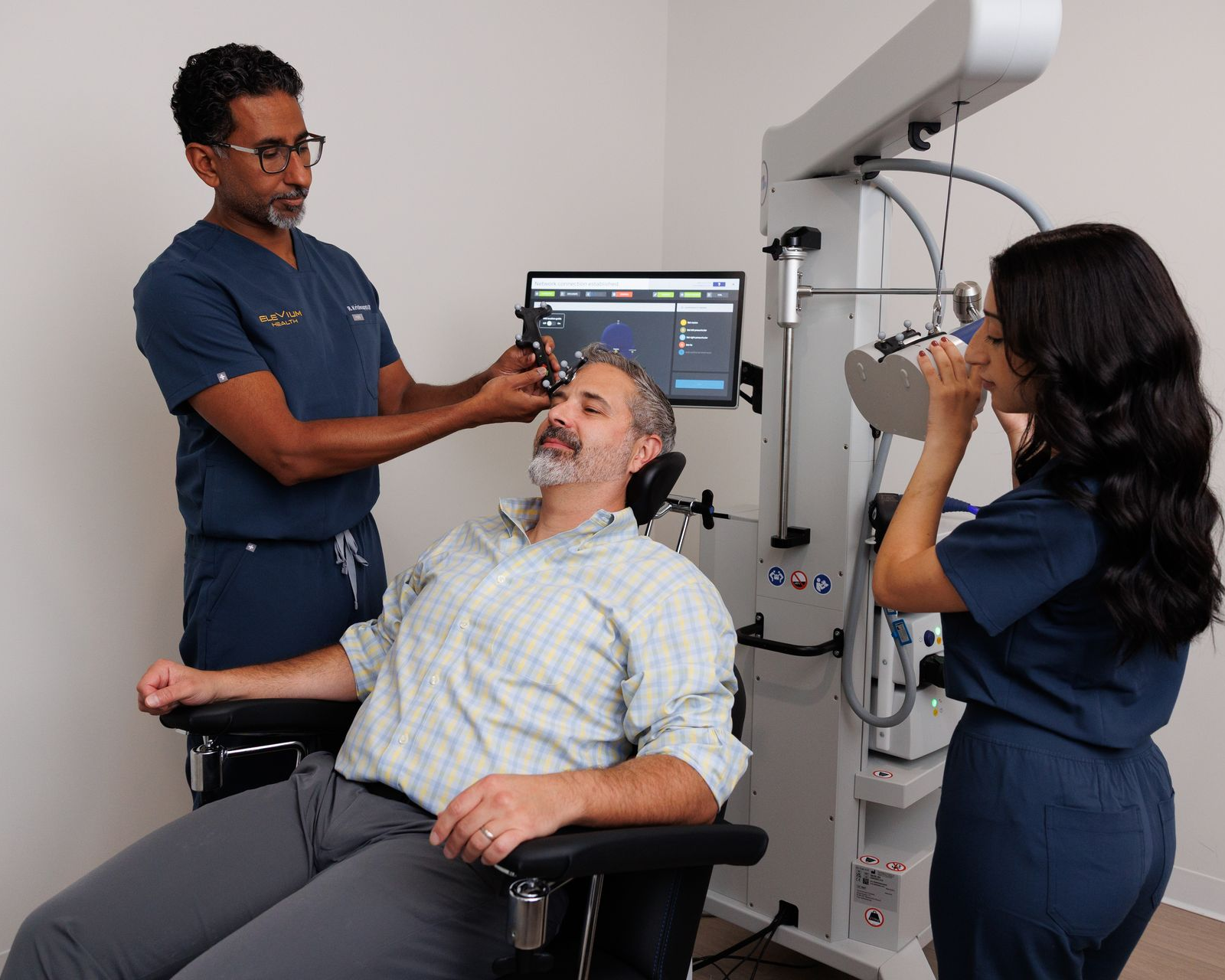
Quick Answer: Treatment-resistant depression (TRD) is depression that hasn't improved after adequate trials of at least two antidepressants. It doesn't mean your depression is untreatable. It means the standard first steps haven't worked and it's time for a different kind of approach. In New Jersey, the on-label options include Spravato (FDA-approved specifically for TRD) and TMS (FDA-cleared for depression), alongside medication strategies and, off-label, ketamine. At Elevium Health in Florham Park, all of these are available. If antidepressants haven't worked for you, it's easy to conclude that nothing will. That conclusion is usually wrong. "Treatment-resistant" is a clinical category, not a verdict, and it points toward a specific set of next steps rather than a dead end. Here's what the term actually means, how to tell if it applies to you, and what the real options are in New Jersey. What treatment-resistant depression actually means The working definition is straightforward: depression that hasn't responded to at least two different antidepressants, each taken at an adequate dose for an adequate length of time. That last part matters more than people realize. An "adequate" trial generally means the right dose for a long enough stretch, usually several weeks, not a low dose stopped early. This distinction is important because a lot of depression labeled "resistant" was actually under-treated. If a medication was stopped after two weeks, taken at a starter dose that was never increased, or missed often enough that it never built up, it wasn't a fair test. Before treatment gets escalated, a good clinician checks whether the earlier attempts were genuinely adequate. Sometimes the answer changes the whole plan. Signs you might be dealing with TRD You might be looking at treatment-resistant depression if: You've tried two or more antidepressants and none brought meaningful relief. You get a partial response, some improvement, but never reach a point where you feel like yourself again. Symptoms return whenever a dose is changed or you switch between medications. Side effects forced you off medications before they had a real chance to work. Depression is still interfering with your work, sleep, or relationships despite ongoing treatment. None of these mean you're out of options. They mean the first-line approach, standard antidepressants, isn't the right tool on its own, and it's worth looking at treatments that work differently. The on-label options in New Jersey Two treatments are specifically indicated for this situation, which is what makes them the natural next step. Spravato (esketamine) . Spravato is FDA-approved specifically for treatment-resistant depression , which makes it one of the few treatments designed for exactly this problem. It's a nasal spray taken in-office alongside an oral antidepressant (the combination is part of the FDA labeling, not optional), and it acts on a different brain system than standard antidepressants. It's given at a REMS-certified center, which Elevium is, with a monitoring period after each dose. For many people with TRD, the appeal is speed, since it can work faster than a new oral antidepressant. You can read more on the Spravato page . TMS . Transcranial magnetic stimulation is FDA-cleared for depression and is a strong option when medications haven't worked, partly because it's drug-free and non-invasive. Rather than adding another medication to a system that hasn't responded to them, TMS uses magnetic pulses to stimulate a targeted brain region involved in mood. A standard course runs about six weeks, with no medication entering your system and no recovery time between sessions. More detail is on the TMS for depression page .

Quick Answer: If you want to treat depression without medication, the two established clinical options in New Jersey are TMS (an FDA-cleared, drug-free, non-invasive treatment) and psychotherapy. TMS is the most substantial non-medication option for depression that talk therapy alone hasn't resolved. At Elevium Health in Florham Park, both are available. One honest note up front: choosing a non-medication path doesn't have to mean ruling medication out forever, and for some people the best plan combines approaches. Plenty of people looking for depression treatment want to avoid medication, and for good reasons. Maybe antidepressants gave you side effects you couldn't live with. Maybe you tried several and none of them worked. Maybe you'd simply rather not take a daily pill if there's another route. Whatever brought you here, there are real, evidence-based options that don't involve medication. Here's what's actually available in New Jersey and how to think about the choice. Why people look for a non-medication option The reasons are usually practical, not ideological: Side effects. Weight changes, emotional blunting, sexual side effects, or fatigue make antidepressants a non-starter for some people. Medications didn't work. After one or more antidepressants that didn't help enough, a different kind of treatment makes more sense than another pill. Personal preference . Some people simply want to avoid daily medication, and that's a legitimate starting point for a conversation. None of these require justification. They're the everyday reasons people ask what else is out there. TMS: the leading non-medication treatment for depression Transcranial magnetic stimulation (TMS) is the most established drug-free treatment for depression, and it's FDA-cleared specifically for that use. It's non-invasive, meaning nothing is implanted, and no medication enters your system. Instead, a device delivers magnetic pulses to a targeted area of the brain (the dorsolateral prefrontal cortex, which is involved in mood regulation) to stimulate activity there. What it looks like in practice: you sit in a chair, awake, during each session. There's no anesthesia and no recovery time, and you can drive yourself home afterward. A standard course runs about six weeks of sessions, each around 20 minutes, followed by a short taper. Because the effect is targeted rather than systemic, TMS avoids the body-wide side effects that make antidepressants difficult for some people. The most common side effects are mild scalp discomfort or headache in the early sessions, which usually settle within the first week. For a lot of people avoiding medication, TMS is the treatment they didn't know existed. You can read more on the TMS for depression page .

Quick Answer: Spravato experiences vary widely from person to person. Many people report relief faster than they got from traditional antidepressants, and reduced suicidal thoughts in particular. The trade-off is that each dose happens in-office with a two-hour monitoring period, and short-lived side effects like mild dissociation, dizziness, or a temporary rise in blood pressure are common during sessions. This post gives a balanced picture of both sides, so you know what to realistically expect. If you're searching for Spravato reviews, you're probably trying to answer the one question the marketing doesn't: what is this actually like? Online reviews skew toward extremes, the raves and the horror stories, with little in between. The honest version sits in the middle, and it depends a lot on who you are, what you've already been through, and what you expect going in. Here's a grounded look at what people tend to experience. Why Spravato reviews are so mixed Two things pull reviews to the extremes. First, the stakes are high. Spravato is generally used for treatment-resistant depression, meaning most people arrive after several antidepressants have already failed them. Expectations run high because the alternatives have run out. When it works, the relief can feel dramatic. When it doesn't, or when the side effects are rough, the disappointment lands harder than it would with a first-line treatment. Second, individual response varies. Some people notice a shift quickly, others feel little for weeks, and some don't respond at all. Two people can go through the same protocol and write opposite reviews, and both can be telling the truth about their own experience. What a Spravato session actually feels like This is the part reviews most often describe, and it surprises people who expect something like taking a pill at home. Spravato is a nasal spray taken in the office under supervision. After your dose, there's a two-hour monitoring period where the team checks on you before you leave. You can't drive afterward, so you'll need someone to take you home. During the session, it's common to feel "off" in ways that can be disorienting the first time: a sense of dissociation (feeling somewhat detached from your body or surroundings), dizziness, or drowsiness. For most people, these effects are short-lived and fade the same day. Knowing they're expected, and that you're being monitored the whole time, makes them far less alarming than they sound in a review written by someone who wasn't prepared for them. The positive experiences people report The most common theme in positive experiences is speed. Unlike traditional antidepressants that can take weeks to build up, some people report feeling a shift within hours or days of their early sessions. For someone who has spent years waiting on medications that never quite worked, that pace is the headline. The other recurring theme is reduced suicidal thinking. Spravato is specifically FDA-approved for major depressive disorder with acute suicidal ideation, and for some people the easing of those thoughts is the change that matters most, even before mood lifts more broadly. Responses are usually described as building over the first several weeks of treatment rather than arriving all at once.
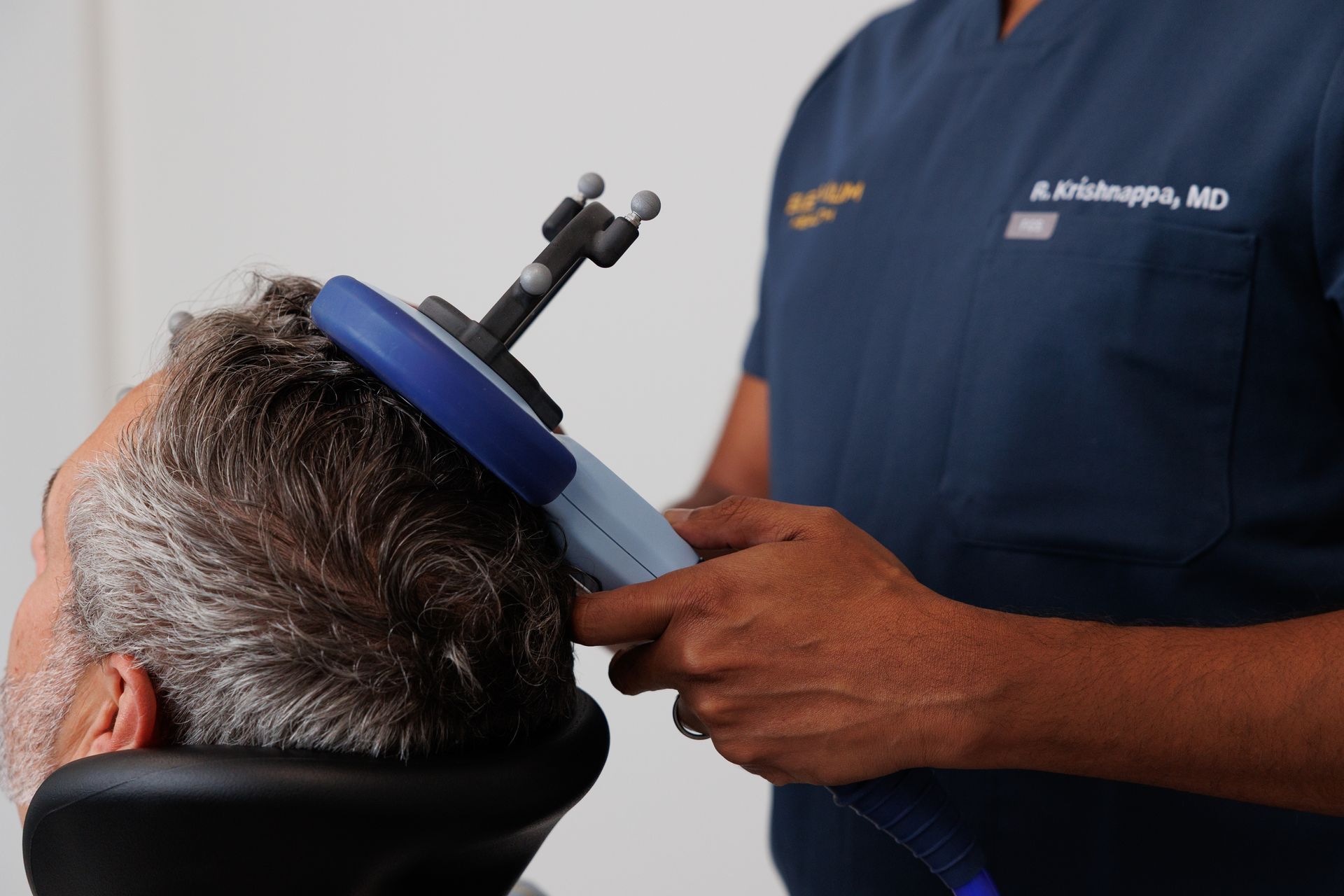
Quick Answer: With insurance, TMS is covered by most plans when medical necessity criteria are met , and your out-of-pocket cost depends on your plan's copay, coinsurance, and deductible. Without insurance, a standard course of TMS at Elevium Health in New Jersey is priced at $9,600 for 36 sessions. Elevium is in-network with UnitedHealthcare/Optum and Horizon BCBS of New Jersey, and verifies your exact out-of-pocket cost in writing before treatment begins. Cost is usually the question that decides whether someone actually starts TMS, and it's also the hardest to get a straight answer on. This post lays out what TMS costs in New Jersey both ways (through insurance and self-pay), what changes the number, and how Elevium confirms your cost before you commit to anything. TMS cost with insurance Most major insurers cover TMS for treatment-resistant depression, so for many people the real question isn't "is it covered" but "what will I pay?" Your out-of-pocket cost comes down to your plan's structure: your deductible (how much you pay before coverage begins), your copay or coinsurance per session, and whether you've already met your deductible for the year. Learn More: Insurance Coverage Two things determine whether coverage applies at all: Medical necessity. Carriers generally require a documented major depressive disorder diagnosis, a history of antidepressant trials that didn't work well enough, and prior authorization before treatment starts. In-network status. Elevium is in-network with UnitedHealthcare/Optum and Horizon BCBS of New Jersey, and is verifying additional carriers. If you have a different plan, ask, and the billing team will check it. The billing team runs the benefits check and handles prior authorization for you, then confirms your out-of-pocket cost in writing before anything is scheduled. You shouldn't have to guess at the number or discover it after the fact.

Quick Answer: A TMS evaluation is the consultation that determines whether TMS is right for you before any treatment begins. At Elevium Health in Florham Park, New Jersey, it covers three things: a clinical assessment of your depression and treatment history, a medical safety screening for contraindications, and an insurance benefits check. It's not the treatment itself — it's the step that confirms you're a candidate, rules out safety risks, and sorts out coverage, so you can make the decision with the full picture in front of you. If you've been researching TMS, you've probably read plenty about what the sessions are like. The part that gets less attention is the evaluation - the step that actually decides whether you start. It matters more than people expect, because a thorough evaluation is what makes the rest of the process safe, personalized, and far less uncertain. Here's what a comprehensive TMS evaluation involves and why each part is there. Why the evaluation exists TMS isn't a first-line treatment , and it isn't right for everyone. The evaluation is how a clinician confirms three things before you commit time, money, or hope to a six-week course: Are you a candidate? TMS is used for treatment-resistant depression — typically when antidepressants haven't worked well enough or weren't tolerated. The evaluation confirms the diagnosis and treatment history that make TMS appropriate. Is it safe for you? A small number of conditions and implants make TMS unsafe. Screening for them protects you. What will it cost? Insurance coverage for TMS depends on meeting specific criteria. The evaluation is where that gets checked, before anything is scheduled. Skip any of these, and you risk starting a treatment you're not a fit for, weren't safe for, or didn't realize wouldn't be covered. That's why the evaluation is the step that turns a question into a confident decision. The clinical assessment This is the core of the visit. One of our psychiatrists builds a complete picture of your mental health and what's brought you here. Expect a real conversation rather than a checklist, covering: Your diagnosis and symptoms. When did things start, what does a difficult day look like, and how is depression affecting your daily life. Standardized depression rating scales are often used so progress can be measured objectively later. Your treatment history. Which antidepressants have you tried, at what doses, for how long, and why you stopped each? This matters clinically, and it matters for insurance - most carriers want documented evidence that medications were tried before they'll authorize TMS. Your goals. What "better" actually looks like for you. This shapes how treatment is planned and how progress is judged. The honesty of this conversation directly affects the quality of your plan, so it's worth coming prepared (more on that below).

Quick Answer: Horizon Blue Cross Blue Shield of New Jersey generally covers TMS and Spravato for treatment-resistant depression when medical necessity criteria are met, but does not cover ketamine infusions, which are considered off-label. Elevium Health is in-network with Horizon BCBS of New Jersey, and the billing team runs your benefits check and handles prior authorization before treatment is scheduled — so you'll know what's covered before you commit to anything. If you've reached out about TMS, Spravato, or ketamine and you're covered by Horizon, the next question is almost always the same: what will my plan actually pay for? This post covers where Horizon BCBS of New Jersey typically lands on each treatment, what prior authorization involves, and how Elevium handles the paperwork so you're not the one chasing approvals. First, two things that trip people up "In-network" and "covered" are not the same thing. Elevium being in-network with Horizon means the practice has a contracted relationship with the carrier. Whether a specific treatment is paid for is a separate question that depends on your individual plan and on meeting medical necessity criteria. A treatment can be a covered benefit and still require prior authorization before it starts. Plan details vary, even within Horizon. Horizon administers many plan types — commercial, employer-sponsored, and others — and the specifics (which treatments need authorization, how many medication trials count, what documentation is required) differ between them. Anything below is directional. We confirm the exact terms of your plan at the benefits check. Learn More: Insurance Coverage Does Horizon BCBS of New Jersey cover TMS? For TMS, Horizon generally follows a treatment-resistant depression framework. That typically means a documented diagnosis of major depressive disorder (MDD), a history of antidepressant trials that didn't work well enough or weren't tolerated, and prior authorization before treatment begins. Horizon, like most carriers, also has specific criteria for what counts as an adequate medication trial — duration, dose, and adherence all factor in. TMS for depression is the most commonly covered use. Coverage for TMS for OCD is more variable and tends to require stronger documentation of symptom severity and prior treatment history. If OCD is the reason you're considering TMS, it's worth flagging specifically so we can check that part of your benefits carefully. Does Horizon BCBS of New Jersey cover Spravato? Spravato (esketamine) is FDA-approved for treatment-resistant depression and for major depressive disorder with acute suicidal ideation. Horizon generally covers it, but the prior authorization bar is usually higher than for TMS . Common requirements across plans include a documented MDD diagnosis, a history of failed antidepressant trials, and a concurrent oral antidepressant taken alongside Spravato - that last one is an FDA requirement, not just an insurance rule. Spravato also has to be delivered at a REMS-certified facility, which Elevium is, with a monitoring period after each dose. Where plans differ is in how many prior medication trials they require and how they handle continuation of treatment after the initial phase. Does Horizon BCBS of New Jersey cover ketamine? Generally, no. Ketamine infusion therapy is distinct from Spravato. While Spravato is an FDA-approved esketamine product, IV ketamine for depression is considered off-label, and Horizon — like most carriers — does not cover it. Ketamine at Elevium is a self-pay treatment. If insurance coverage is the deciding factor for you, Spravato is usually the better-covered esketamine option, and it's worth discussing which fits your situation before ruling anything out. You can also review treatment costs to understand the self-pay picture.