Spravato Reviews: What Patients Actually Experience
Quick Answer: Spravato experiences vary widely from person to person. Many people report relief faster than they got from traditional antidepressants, and reduced suicidal thoughts in particular. The trade-off is that each dose happens in-office with a two-hour monitoring period, and short-lived side effects like mild dissociation, dizziness, or a temporary rise in blood pressure are common during sessions. This post gives a balanced picture of both sides, so you know what to realistically expect.
If you're searching for Spravato reviews, you're probably trying to answer the one question the marketing doesn't: what is this actually like? Online reviews skew toward extremes, the raves and the horror stories, with little in between. The honest version sits in the middle, and it depends a lot on who you are, what you've already been through, and what you expect going in. Here's a grounded look at what people tend to experience.
Why Spravato reviews are so mixed
Two things pull reviews to the extremes.
First, the stakes are high. Spravato is generally used for treatment-resistant depression, meaning most people arrive after several antidepressants have already failed them. Expectations run high because the alternatives have run out. When it works, the relief can feel dramatic. When it doesn't, or when the side effects are rough, the disappointment lands harder than it would with a first-line treatment.
Second, individual response varies. Some people notice a shift quickly, others feel little for weeks, and some don't respond at all. Two people can go through the same protocol and write opposite reviews, and both can be telling the truth about their own experience.
What a Spravato session actually feels like
This is the part reviews most often describe, and it surprises people who expect something like taking a pill at home.
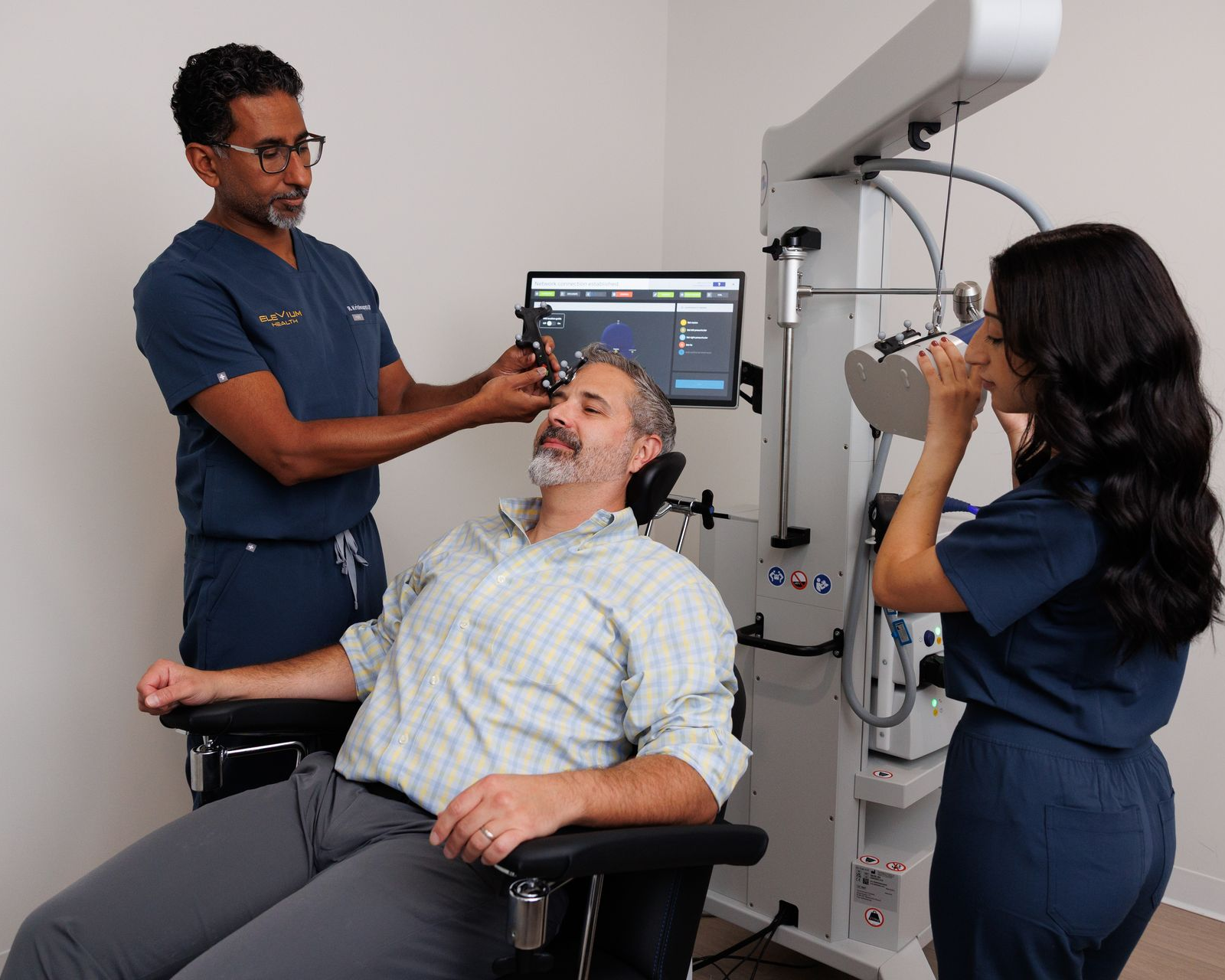
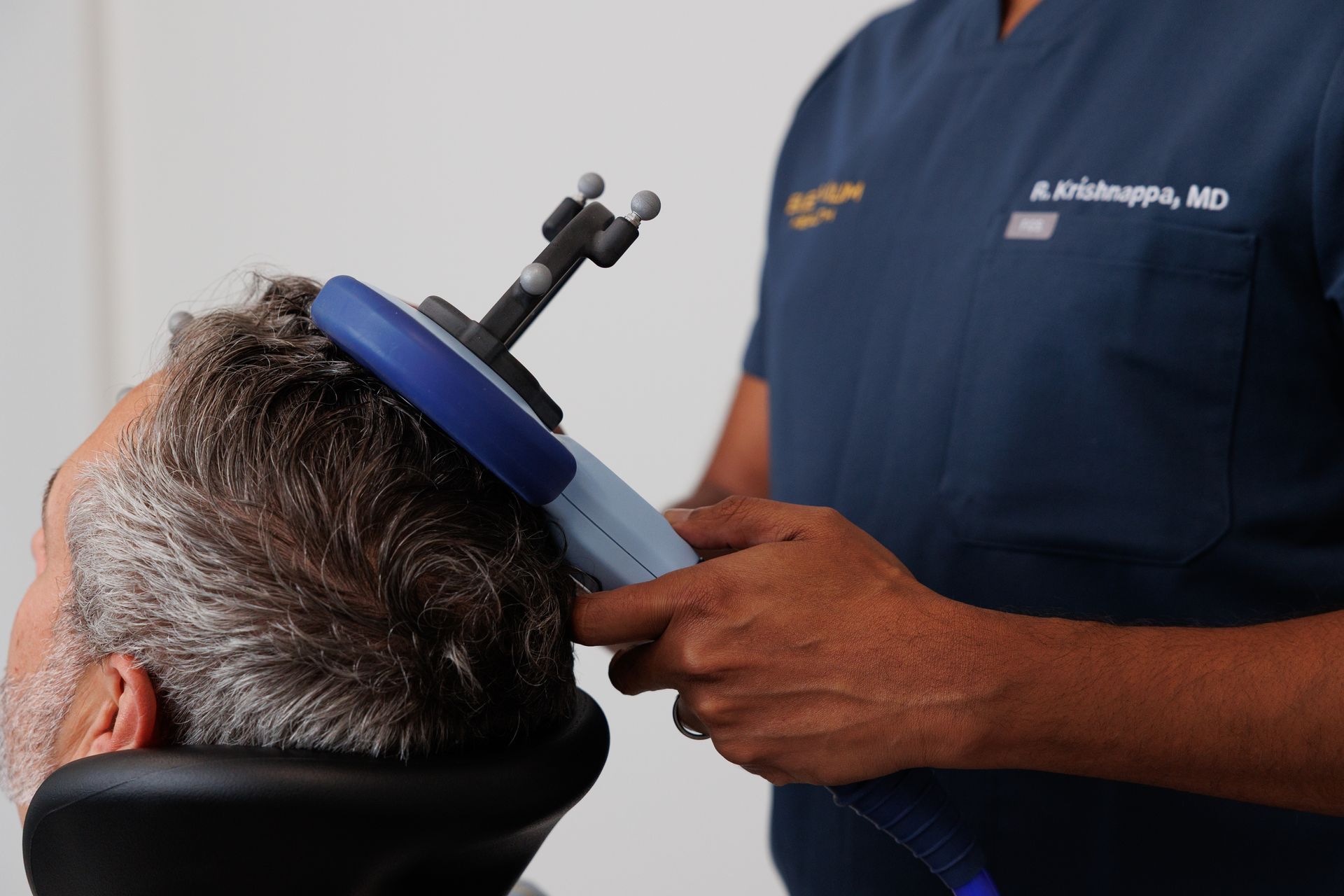
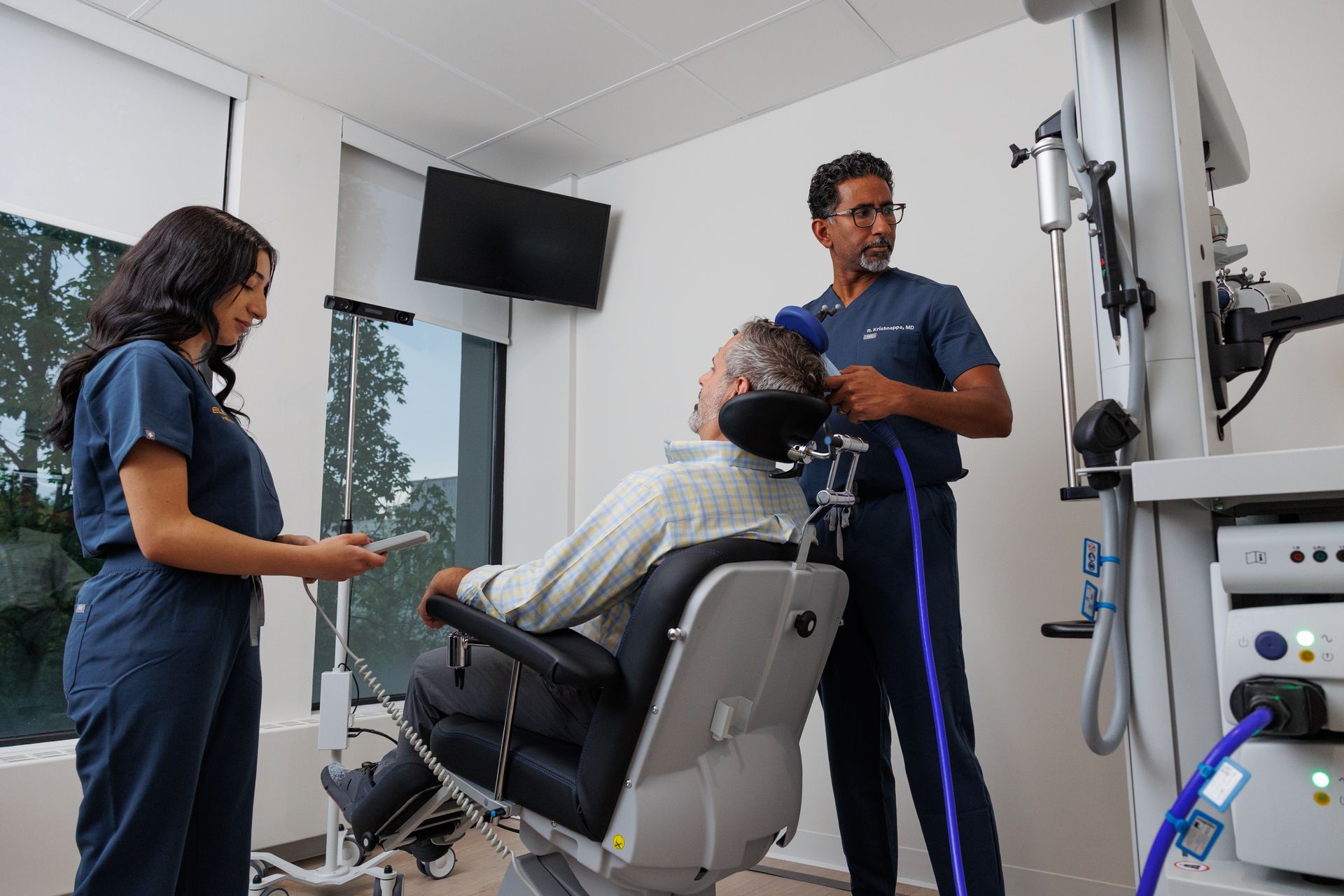
Spravato is a nasal spray taken in the office under supervision. After your dose, there's a two-hour monitoring period where the team checks on you before you leave. You can't drive afterward, so you'll need someone to take you home.
During the session, it's common to feel "off" in ways that can be disorienting the first time: a sense of dissociation (feeling somewhat detached from your body or surroundings), dizziness, or drowsiness. For most people, these effects are short-lived and fade the same day. Knowing they're expected, and that you're being monitored the whole time, makes them far less alarming than they sound in a review written by someone who wasn't prepared for them.
The positive experiences people report
The most common theme in positive experiences is speed. Unlike traditional antidepressants that can take weeks to build up, some people report feeling a shift within hours or days of their early sessions. For someone who has spent years waiting on medications that never quite worked, that pace is the headline.
The other recurring theme is reduced suicidal thinking. Spravato is specifically FDA-approved for major depressive disorder with acute suicidal ideation, and for some people the easing of those thoughts is the change that matters most, even before mood lifts more broadly. Responses are usually described as building over the first several weeks of treatment rather than arriving all at once.

The difficult experiences (and the negative reviews)
A balanced picture has to include the harder side, because it's real.
The side effects are the most common complaint: dissociation that feels unpleasant rather than neutral, nausea, fatigue that wipes out the rest of the day, or a temporary rise in blood pressure (which is why your vitals are checked at every session). Most of these resolve within hours, but they can make the treatment days genuinely inconvenient.
The other source of negative reviews is when Spravato simply doesn't work. Someone who arrived with high hopes after multiple failed treatments and then doesn't respond, will write a very different review than someone it helped. That disappointment is understandable, and it's worth going in knowing that response isn't guaranteed and varies between individuals. If the harsher reviews are what brought you here, we cover them directly in .Spravato Ruined My Life:
Understanding Side Effects and What to Do.
The structure of treatment is designed to manage the difficult side: supervised dosing, the two-hour monitoring window, and a clinician you can flag problems to in real time. Most unpleasant effects are handled in the room rather than left for you to cope with alone at home.
What makes a good experience more likely
A few things separate smoother experiences from rough ones:
- Realistic expectations. Going in expecting a possible improvement over weeks, rather than an instant cure, protects against the letdown that drives many negative reviews.
- Proper supervision. Spravato can only be given at a REMS-certified center (Elevium is one), which exists specifically to manage the monitoring and side effects safely.
- The concurrent antidepressant. Spravato is taken alongside an oral antidepressant, not instead of one. That combination is part of how it's meant to work.
- A plan for the day. Arranging a ride home and keeping the rest of the day light turns the session from a disruption into a manageable appointment.
Hear it from actual patients
The most useful "review" isn't a star rating, it's a real person describing their own experience in their own words. You can read what Elevium Health's own patients say on the practice's reviews page. If you're weighing treatment, a real account from someone who has been through it is worth more than any summary.
Are Spravato reviews reliable?
Treat them as individual experiences, not predictions. Because response and side effects vary so much between people, any single review tells you more about that person than about what you'll experience.
Is the dissociation during a session dangerous?
For most people it's a temporary, expected effect that fades within the monitoring period. You're supervised the whole time, and if it persists or feels severe, the team addresses it on the spot.
How soon will I know if Spravato is working for me?
It varies. Some people notice changes early in treatment, while for others it builds over the first several weeks. Your clinician tracks your response across the course rather than judging it on one session.
Can I go back to work after a Spravato session?
Usually not that same day. You can't drive afterward and may feel tired or foggy for a few hours, so most people plan to rest for the remainder of the day.
Share Article