What Is Treatment-Resistant Depression? Signs and Options in New Jersey
Quick Answer: Treatment-resistant depression (TRD) is depression that hasn't improved after adequate trials of at least two antidepressants. It doesn't mean your depression is untreatable. It means the standard first steps haven't worked and it's time for a different kind of approach. In New Jersey, the on-label options include Spravato (FDA-approved specifically for TRD) and TMS (FDA-cleared for depression), alongside medication strategies and, off-label, ketamine. At Elevium Health in Florham Park, all of these are available.
If antidepressants haven't worked for you, it's easy to conclude that nothing will. That conclusion is usually wrong. "Treatment-resistant" is a clinical category, not a verdict, and it points toward a specific set of next steps rather than a dead end. Here's what the term actually means, how to tell if it applies to you, and what the real options are in New Jersey.
What treatment-resistant depression actually means
The working definition is straightforward: depression that hasn't responded to at least two different antidepressants, each taken at an adequate dose for an adequate length of time. That last part matters more than people realize. An "adequate" trial generally means the right dose for a long enough stretch, usually several weeks, not a low dose stopped early.
This distinction is important because a lot of depression labeled "resistant" was actually under-treated. If a medication was stopped after two weeks, taken at a starter dose that was never increased, or missed often enough that it never built up, it wasn't a fair test. Before treatment gets escalated, a good clinician checks whether the earlier attempts were genuinely adequate. Sometimes the answer changes the whole plan.
Signs you might be dealing with TRD
You might be looking at treatment-resistant depression if:
- You've tried two or more antidepressants and none brought meaningful relief.
- You get a partial response, some improvement, but never reach a point where you feel like yourself again.
- Symptoms return whenever a dose is changed or you switch between medications.
- Side effects forced you off medications before they had a real chance to work.
- Depression is still interfering with your work, sleep, or relationships despite ongoing treatment.
None of these mean you're out of options. They mean the first-line approach, standard antidepressants, isn't the right tool on its own, and it's worth looking at treatments that work differently.
The on-label options in New Jersey
Two treatments are specifically indicated for this situation, which is what makes them the natural next step.
Spravato (esketamine). Spravato is FDA-approved specifically for treatment-resistant depression, which makes it one of the few treatments designed for exactly this problem. It's a nasal spray taken in-office alongside an oral antidepressant (the combination is part of the FDA labeling, not optional), and it acts on a different brain system than standard antidepressants. It's given at a REMS-certified center, which Elevium is, with a monitoring period after each dose. For many people with TRD, the appeal is speed, since it can work faster than a new oral antidepressant. You can read more on the Spravato page.
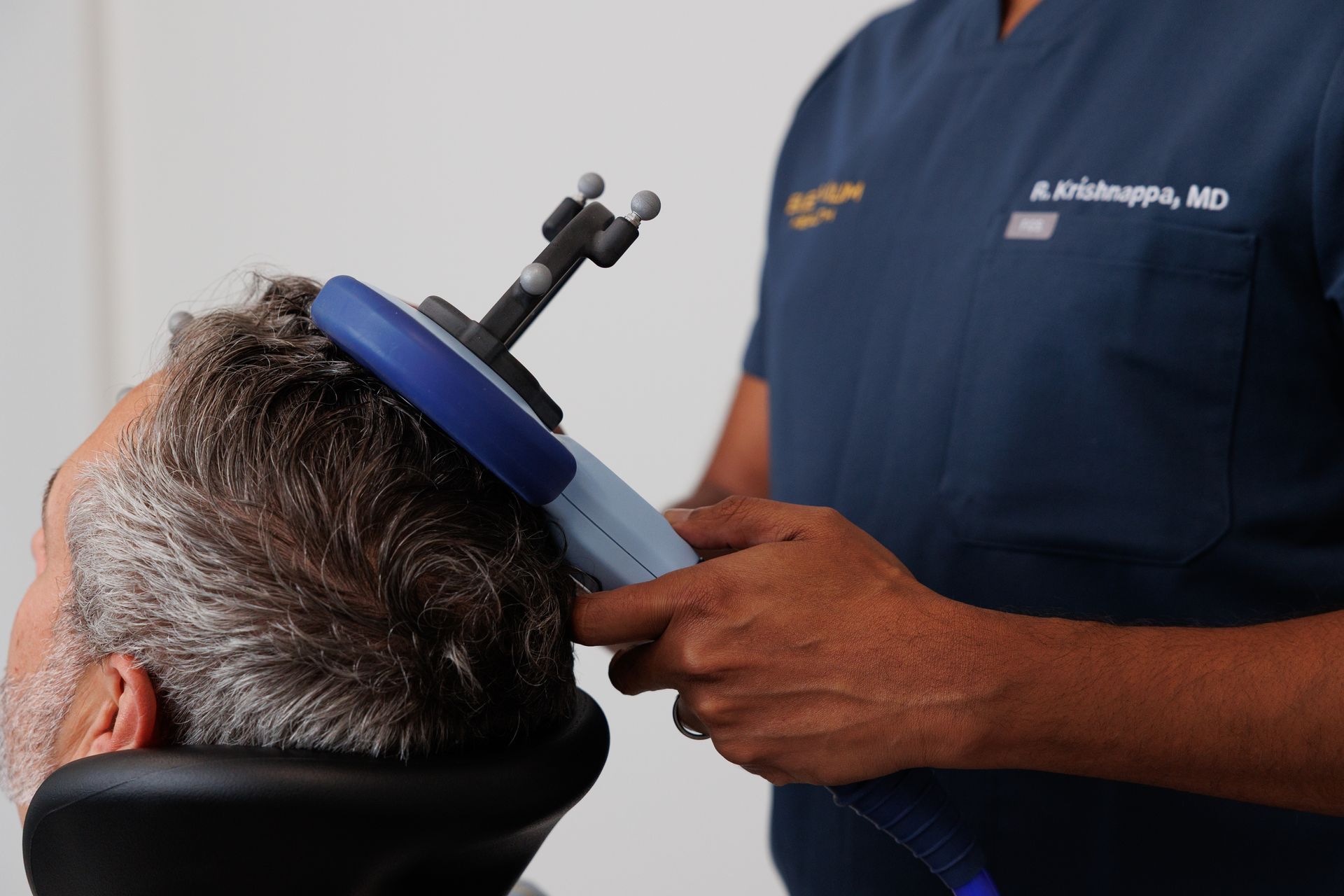
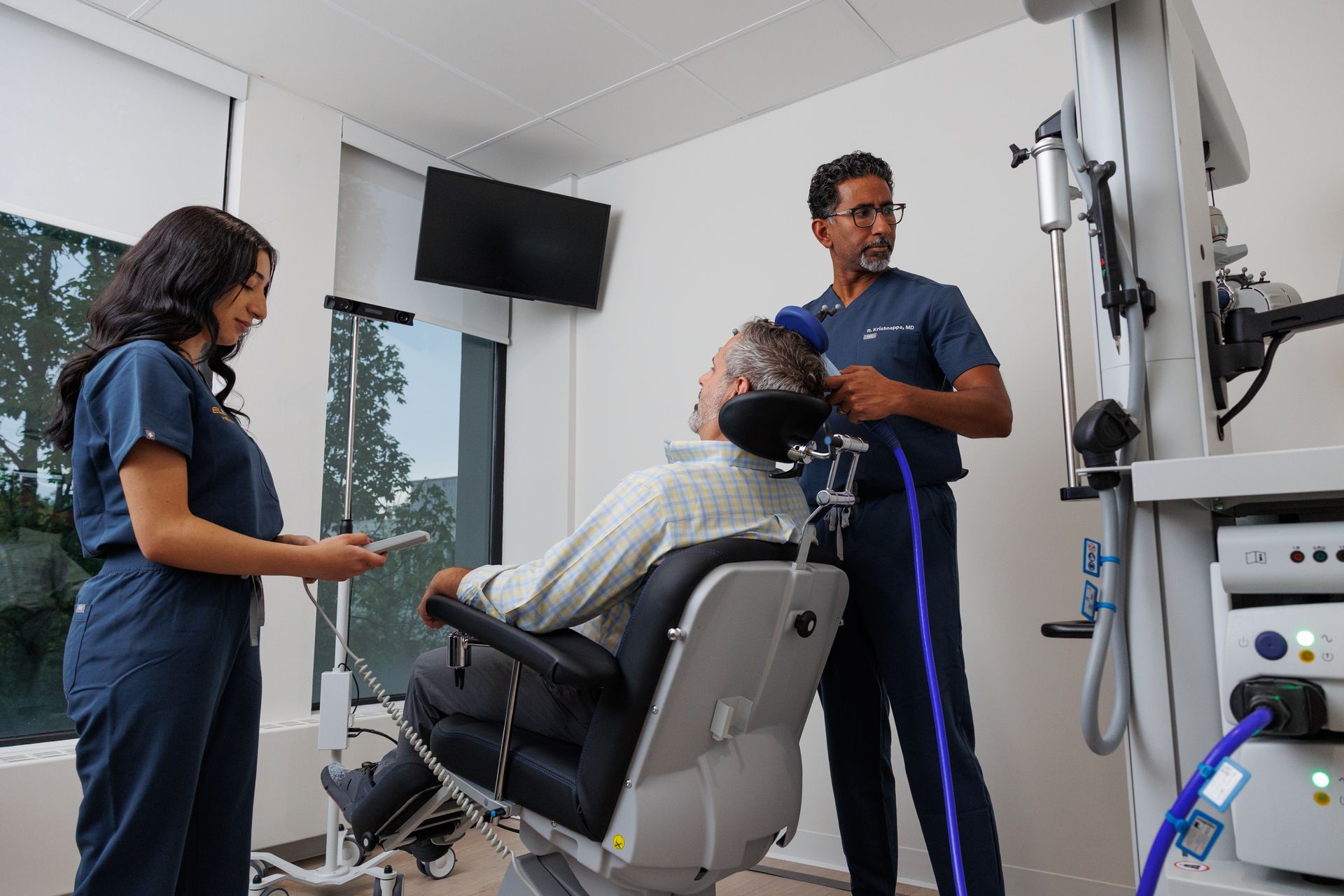
TMS. Transcranial magnetic stimulation is FDA-cleared for depression and is a strong option when medications haven't worked, partly because it's drug-free and non-invasive. Rather than adding another medication to a system that hasn't responded to them, TMS uses magnetic pulses to stimulate a targeted brain region involved in mood. A standard course runs about six weeks, with no medication entering your system and no recovery time between sessions. More detail is on the TMS for depression page.

The other options worth knowing
Medication strategies. Before or alongside the treatments above, there's often more room in medication itself than a first couple of tries suggest: switching to a different class, combining medications, or adding an augmenting agent. This is part of what thorough medication management involves, and for some people it resolves what looked like resistance.
Ketamine. IV and other forms of ketamine are used for hard-to-treat depression, but unlike Spravato, ketamine for depression is off-label and is a self-pay treatment rather than an insurance-covered one. It's an option worth discussing, with clear eyes about the cost and evidence differences between it and Spravato.
Psychotherapy usually sits alongside these rather than replacing them. On its own, it's rarely the answer for depression that has already resisted medication, but paired with one of the treatments above it can help you make use of the relief once it arrives.
What to do next
The single most useful step is an evaluation that does two things: confirms whether your earlier treatments were genuinely adequate, and maps which of these options fits your history. TRD has more paths forward than most people realize when they arrive, and the right one depends on specifics, what you've tried, how you responded, and what you're willing to take on. That's a conversation, not a guess.
How many antidepressants do I need to have tried to be considered treatment-resistant?
The common threshold is at least two, from different classes, each taken at an adequate dose for an adequate length of time. Whether your earlier trials count is one of the things an evaluation checks.
Is Spravato or TMS better for treatment-resistant depression?
Neither is universally better. They work differently, Spravato is a medication taken in-office, TMS is a drug-free in-office procedure, and the right choice depends on your history, preferences, and insurance situation. An evaluation is how that gets decided.
Does insurance cover treatment for TRD?
Often, yes. TMS and Spravato are both commonly covered for treatment-resistant depression when medical necessity criteria are met, though each requires prior authorization. Ketamine is generally self-pay. A benefits check confirms your specific coverage.
Does treatment-resistant mean untreatable?
No. It means standard antidepressants alone haven't worked, which is exactly the situation that treatments like TMS and Spravato are designed for. It's a reason to change the approach, not to stop.
Share Article