How to Switch Psychiatrists: A Patient's Guide
Quick Answer: Switching psychiatrists is straightforward when you handle four things in order: confirm your new practice has openings before you leave your current one, request your records, get a bridge plan for any active prescriptions, and book your first appointment with the new psychiatrist. The transition usually takes two to four weeks end-to-end, and there's no rule against doing it - your medical records and your care belong to you.
If you're thinking about changing psychiatrists, you're not the only one. People switch for all kinds of reasons — moving, insurance changes, a stalled treatment plan, or just not feeling like the fit is right. This guide is for the practical "how do I actually do this" stage, after you've decided.
Reasons People Switch (and Why None of Them Are a Problem)
Worth naming because patients often feel awkward making the change:
- You've moved, or your insurance has changed. Practical and common. No conversation is needed beyond informing your current practice.
- Your treatment plan has stalled. You've been on similar medications for years, and you're not getting better. A fresh perspective is reasonable.
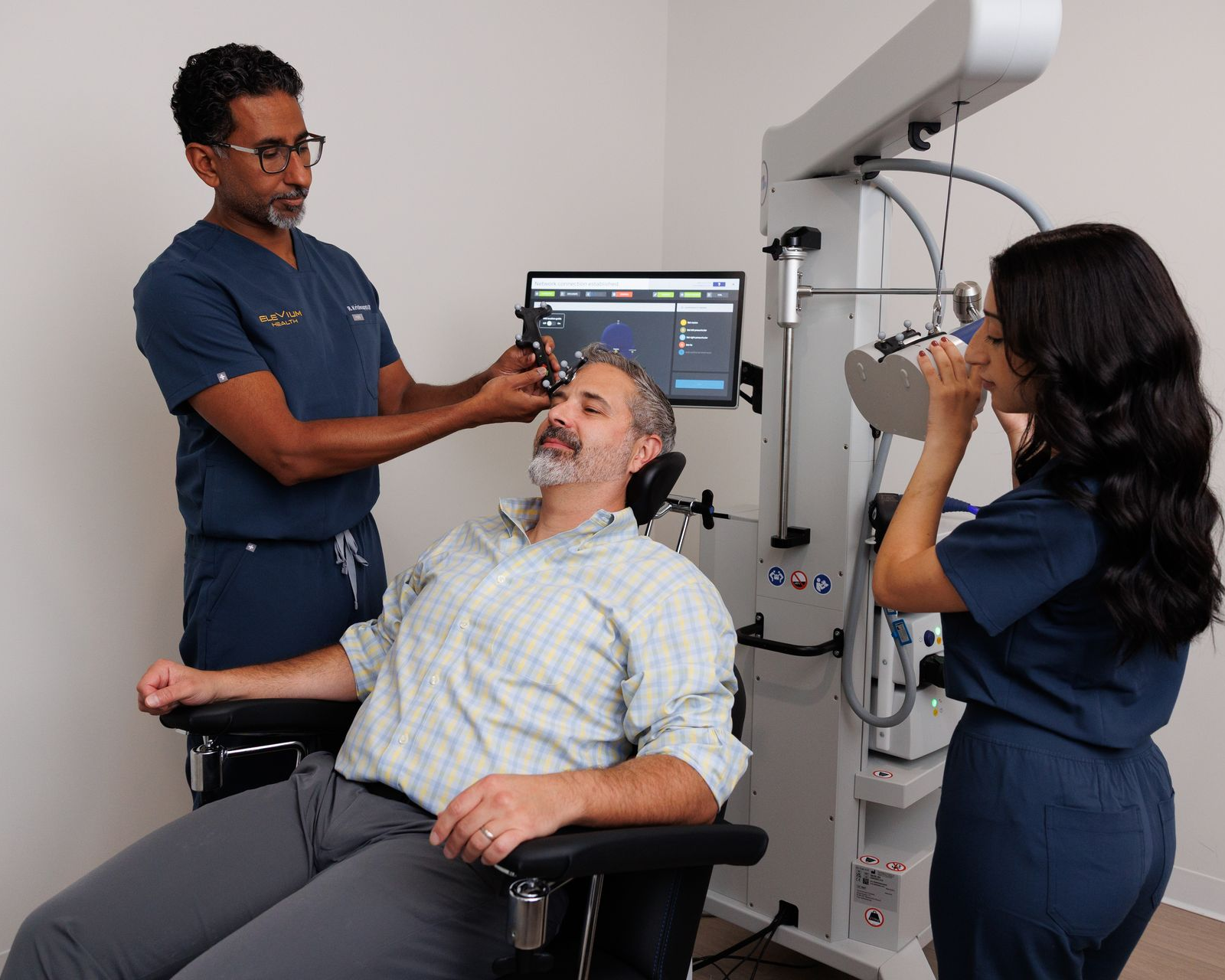
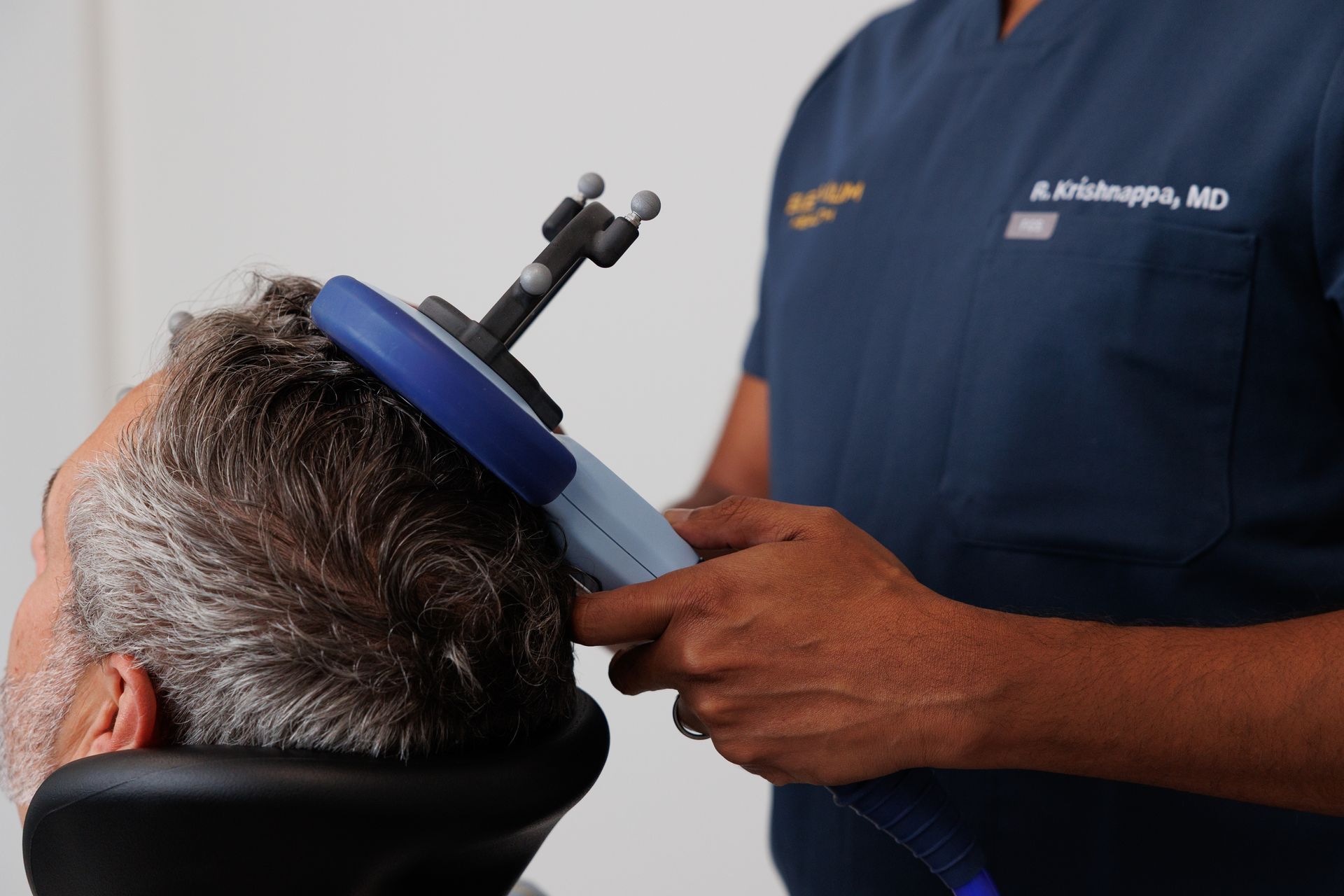
- You want access to treatments your current practice doesn't offer. TMS, Spravato, ketamine, or other interventional options aren't available everywhere.
- The fit isn't right. Communication style, scheduling, wait times, or just a sense that you're not being heard. This is a valid reason on its own.
- You want a second opinion that becomes permanent. Sometimes you go in for a one-off and decide to stay.
You don't owe your current psychiatrist a detailed explanation. "I'm transferring my care" is a complete sentence.
Before You Switch: Confirm the New Practice Has Capacity
The most common mistake is leaving your current practice before confirming your new one can actually see you. Psychiatry waitlists in New Jersey can run weeks to months for adult patients, and longer for specific subspecialties. Before doing anything else:
- Call or contact the new practice
- Confirm they're accepting new patients
- Confirm they take your insurance (or that self-pay is workable)
- Get an estimated wait for the first appointment
If the wait is long, don't tell your current practice yet. Stay with them until your new appointment is closer.
Step 1: Request Your Medical Records
Once your new appointment is booked, request your records from your current practice. This is your legal right under HIPAA - they have to provide them, and they can't withhold them over an unpaid bill, a disagreement, or anything else.
What to request:
- Treatment notes (visit summaries from recent appointments)
- Medication history with dates, doses, and reasons for any changes
- Any psychiatric evaluations or assessments
- Lab results, if relevant
- Diagnosis history
How to request:
Ask your current practice's front desk for their records release form. Fill it out specifying that records should be sent directly to your new psychiatrist's office, with the new practice's name, address, and fax or secure email. Some practices charge a small fee for records ($10–25 is typical for an electronic copy).
Records can take up to 30 days to arrive under federal rules, though most practices send them within a week. Follow up if you haven't heard back.

Step 2: Get a Bridge Plan for Your Prescriptions
If you're on psychiatric medication, do not let your prescription lapse during the transition. This is the part patients most often get wrong.
Two ways to handle this:
Option A: Ask your current psychiatrist for a refill that covers the gap. Most will write you a 30-day refill (or longer) to bridge to your new psychiatrist. This is the cleanest option if the relationship is intact and the transition is amicable.
Option B: Have your new psychiatrist take over prescribing at the first appointment. Some new patients prefer this - they want a clean handover rather than another interaction with the practice they're leaving. The new psychiatrist will need your medication list and recent history at the appointment to do this.
What you should not do: stop taking psychiatric medication abruptly because you're between psychiatrists. Many psychiatric medications cause withdrawal symptoms if stopped suddenly, and stopping antidepressants without medical supervision can worsen what you're being treated for.
Step 3: Book the First Appointment With the New Psychiatrist
This is a standard psychiatric initial evaluation - expect about 60 minutes, depending on the practice.
Bring:
- A list of every psychiatric medication you've tried, with doses, dates, and why you stopped each one
- Your current medication list (psychiatric, other prescriptions, supplements, over-the-counter)
- Any records that haven't transferred yet
- A brief written summary of what's brought you to this point - symptoms, history, what's worked, what hasn't
The new psychiatrist will take their own history rather than rely entirely on records. This isn't redundancy — it's how they build their own clinical picture. Be patient with the questions.
What to Tell Your Current Psychiatrist
You don't have to give notice in any formal sense, but a brief message is courteous and keeps the records request smooth.
A simple email to the practice works:
'I'm transferring my care to another psychiatrist. Please process my records release to [new practice name] - I've completed the release form with their details. Could you also write a 30-day refill of [medication] to cover the transition? Thank you for your care.'
If you have an upcoming appointment booked, cancel it. If you have an active prior authorization for a treatment (TMS, Spravato) that's already approved, mention that - the new psychiatrist's office may be able to transfer the authorization rather than start over.
If You're in the Middle of a Treatment Course
This is where switching gets more complex. If you're partway through a TMS course, in Spravato induction, or actively titrating a new medication, talk to both psychiatrists before making the switch. Continuity of care matters, and stopping a treatment course mid-protocol can undo gains you've already made.
In most cases, finishing the current course and then transferring is cleaner than mid-course handover. But there are situations where transferring sooner makes more sense - if you've moved, if the relationship has broken down, or if you've lost coverage. Both psychiatrists will work with you on this if you ask directly.
Can my current psychiatrist refuse to release my records?
No. Records release is your right under HIPAA. Practices can charge a reasonable fee for copies but cannot withhold records over unpaid bills or other disputes.
What if I don't have all my medication history?
Pharmacy records cover the last few years and are usually easier to retrieve than old psychiatrist's notes. CVS, Walgreens, and most chain harmacies can print or send a complete prescription history. Your new psychiatrist can also request records directly from previous prescribers.
Will my new psychiatrist judge me for switching?
No. Patients change psychiatrists routinely. It's not unusual and it's not held against you. If anything, having tried multiple approaches gives a new psychiatrist more information to work with.
Can I switch if I'm on a controlled substance?
Yes, but plan carefully. Controlled substances (some ADHD medications, certain anti-anxiety medications) can't be prescribed without an established patient relationship, so you'll likely need the first appointment with the new psychiatrist before any new prescription is written. Get a bridge supply from your current psychiatrist before the switch.
What if I want to switch but stay in the same practice?
Most multi-provider practices allow internal transfers. Ask the front desk - they'll usually handle it without you needing to start over.
Share Article