ONE-D TMS: What It Is, Who It's For, and What to Expect
Most people have heard of TMS. Fewer know that there's a version delivered entirely within a single day. At our Florham Park, New Jersey practice, we offer ONE-D (Optimized, Neuroplasticity-Enhanced Depression Treatment) - an accelerated TMS protocol that compresses a full therapeutic course into one supervised 10-hour day.
Standard TMS treatment runs across eight weeks, five sessions a week for six weeks, then a two-week taper. That's up to 36 appointments. For many patients, that schedule is manageable. For others, it isn't - whether because of work, family, geography, or just the practical reality of needing relief faster. ONE-D was designed for patients like these.
What Is ONE-D?
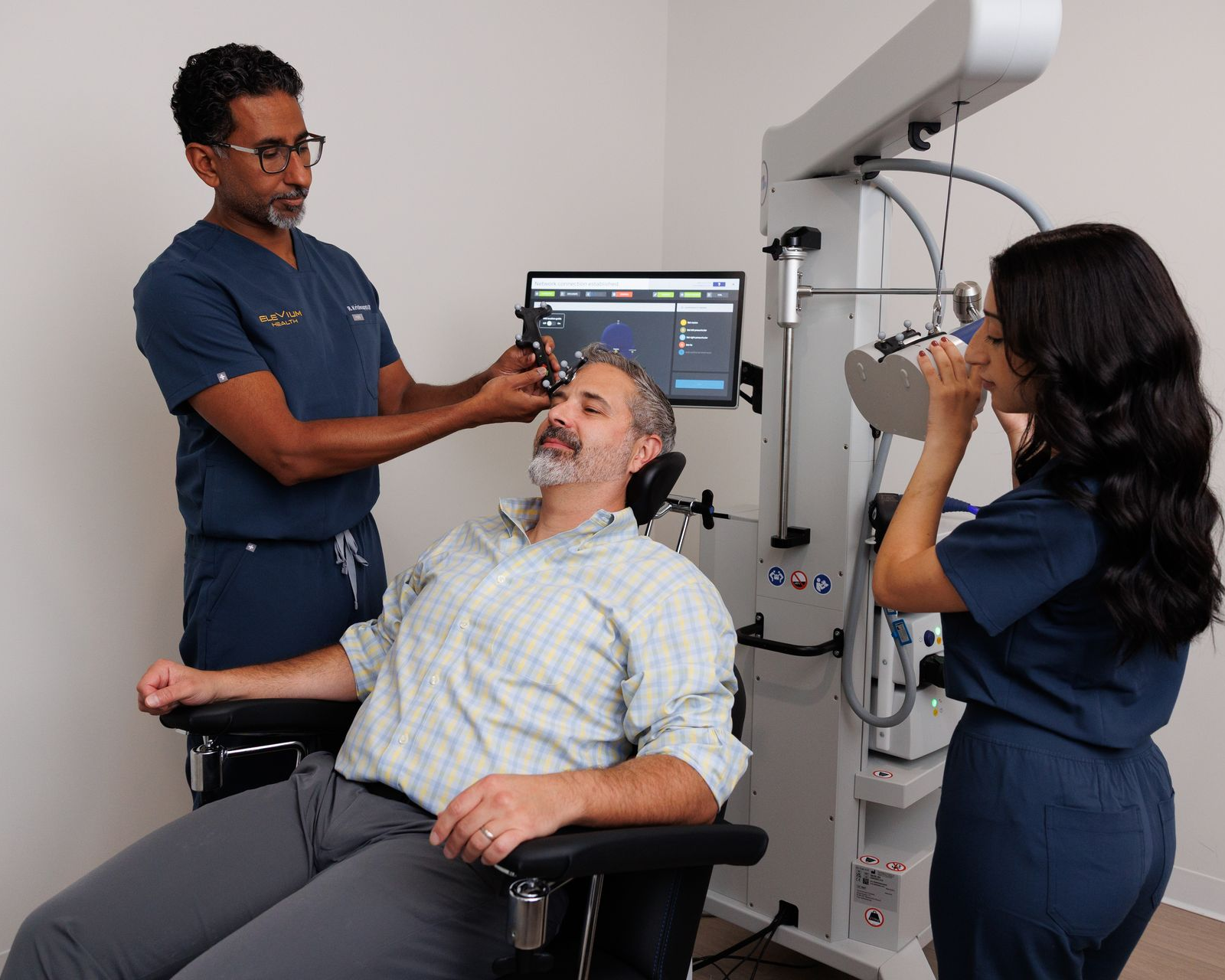
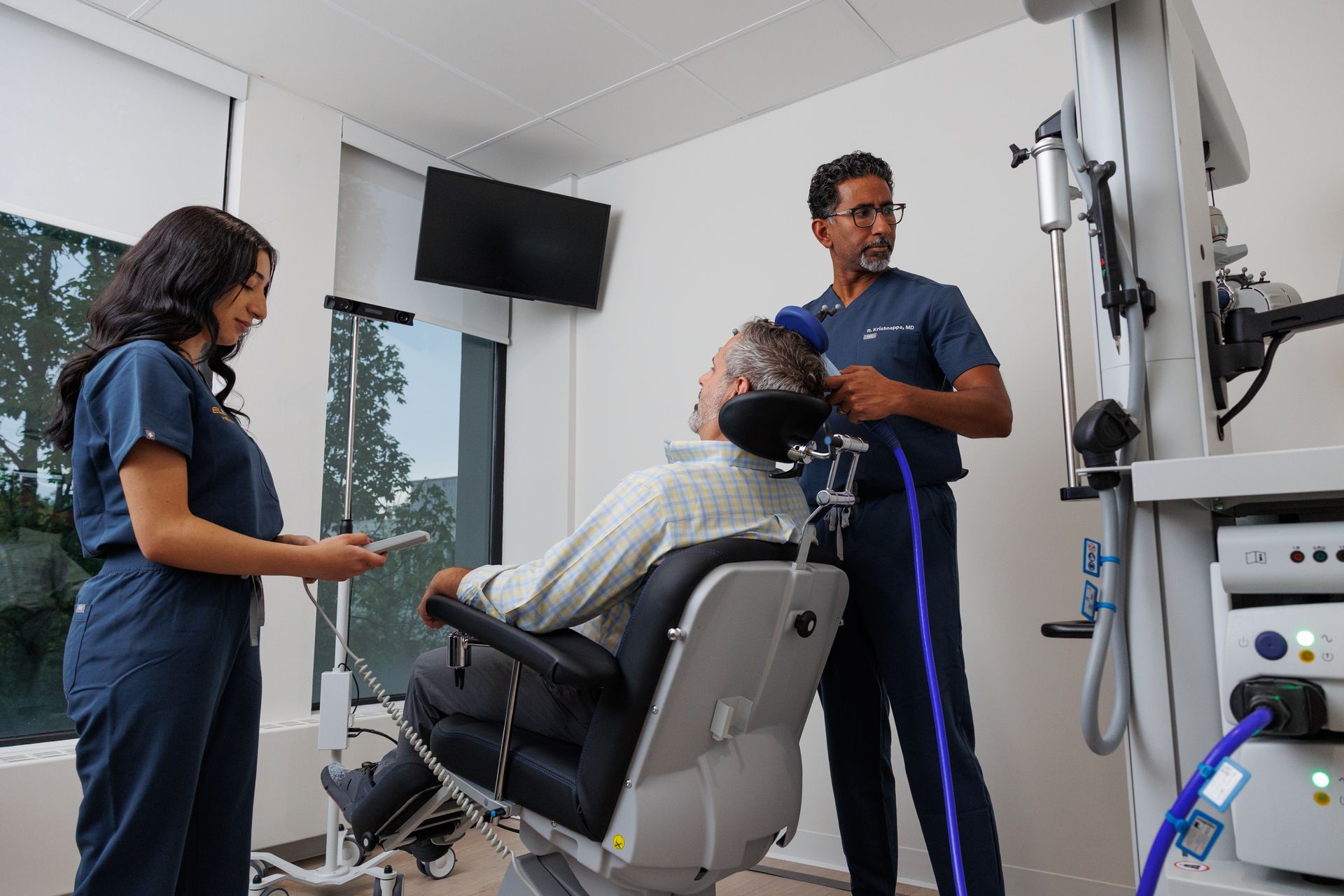
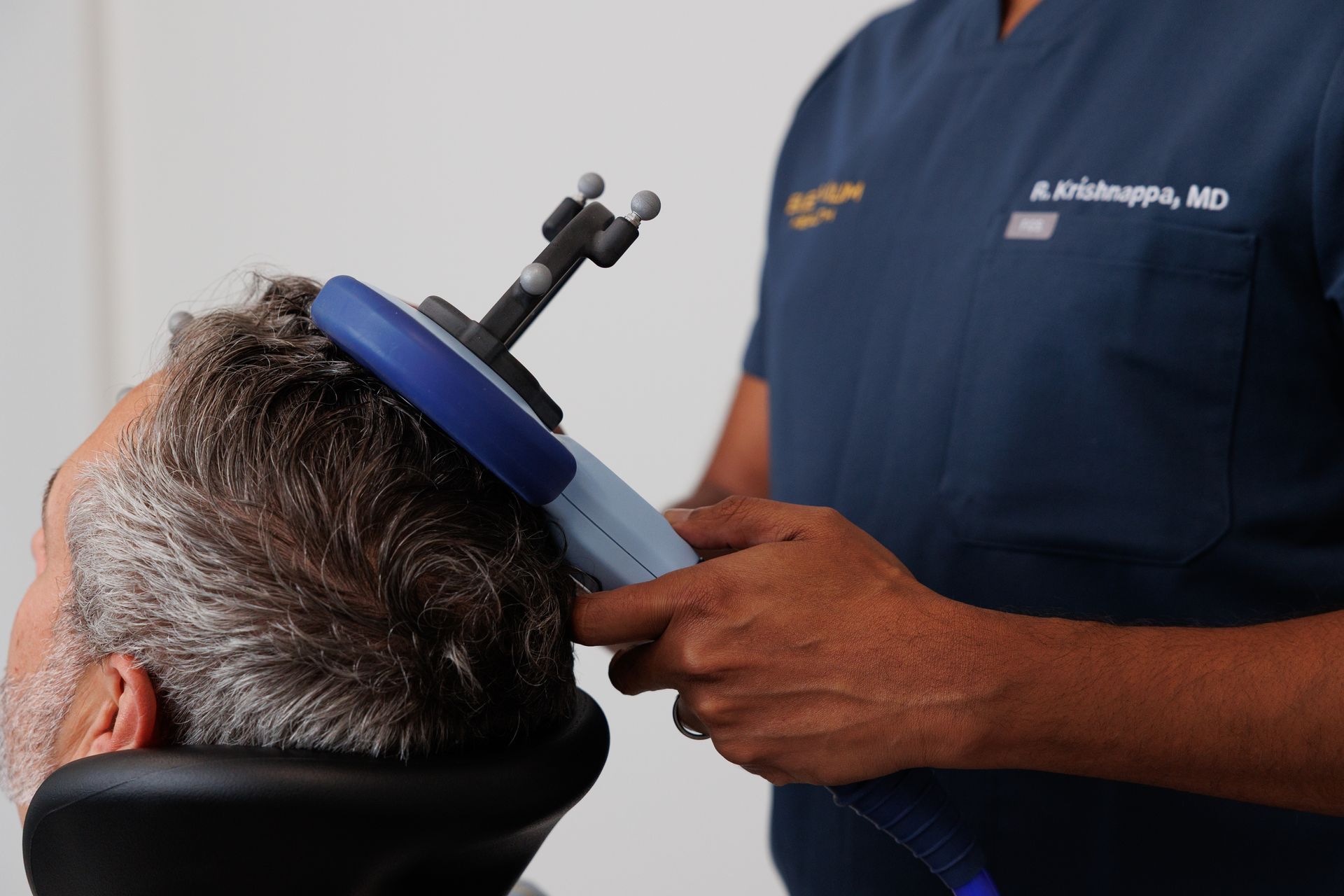
ONE-D delivers 20 TMS sessions in a single day, all under direct physician supervision. Each session uses intermittent Theta Burst Stimulation (iTBS), a focused form of TMS that takes approximately 3 minutes per session, followed by a 30-minute supervised rest period. Sessions run sequentially across the day, with the full treatment day spanning roughly 10 hours.
The underlying therapy is the same FDA-cleared technology used in standard TMS - the same electromagnetic pulses targeting the same brain networks, the same clinical oversight. What's different is the format: iTBS allows treatment to be condensed safely, and ONE-D applies that to a single-day schedule.
Before treatment begins, the physician performs personalised TMS mapping to calibrate stimulation settings to you. A medication protocol is also prescribed for the day of treatment to support neuroplasticity. You'll have a dedicated private space to rest, work, read, or simply decompress between sessions, with refreshments and a curated lunch menu from local restaurants provided throughout the day.
An important note on evidence: ONE-D is currently considered an investigational accelerated TMS protocol. While it's built on established iTBS technology and the growing body of accelerated TMS research, single-day formats remain an active area of clinical study.
How ONE-D Compares to Standard and Accelerated TMS
ONE-D is the most condensed protocol we offer. The table below compares it with standard TMS and five-day accelerated TMS:
- Standard TMS: 36+ total sessions, ~8 weeks duration, standard rTMS session type, often covered by insurance, physician supervised.
- Accelerated TMS (5-Day): 50 total sessions, 5 days duration, iTBS session type, $12,000 self-pay, physician supervised.
- ONE-D: 20 total sessions, 1 day duration, iTBS session type, $6,000 self-pay, physician-supervised start to finish.
Accelerated TMS (5-Day) remains a strong option for patients who'd prefer to spread treatment across five days rather than one intensive day. Standard TMS continues to be the most evidence-backed pathway, and the right choice when time and schedule allow.

Who Is ONE-D For?
ONE-D tends to suit a specific type of patient. You may be a good fit if:
- You can't commit to weeks of daily appointments. Parents, professionals, caregivers, and anyone with a demanding schedule may find a single-day intensive format far more workable than eight weeks of standard TMS or even a five-day accelerated course.
- You're travelling to Elevium from outside the local area. A single treatment day means one trip, one day of accommodation if needed, and no need to relocate or plan repeated visits. ONE-D was built with travelling patients in mind.
- You have treatment-resistant depression and want a time-condensed option. ONE-D is generally suited to adults whose depression hasn't responded adequately to medication or psychotherapy, and who want an efficient, clinically supervised path to TMS.
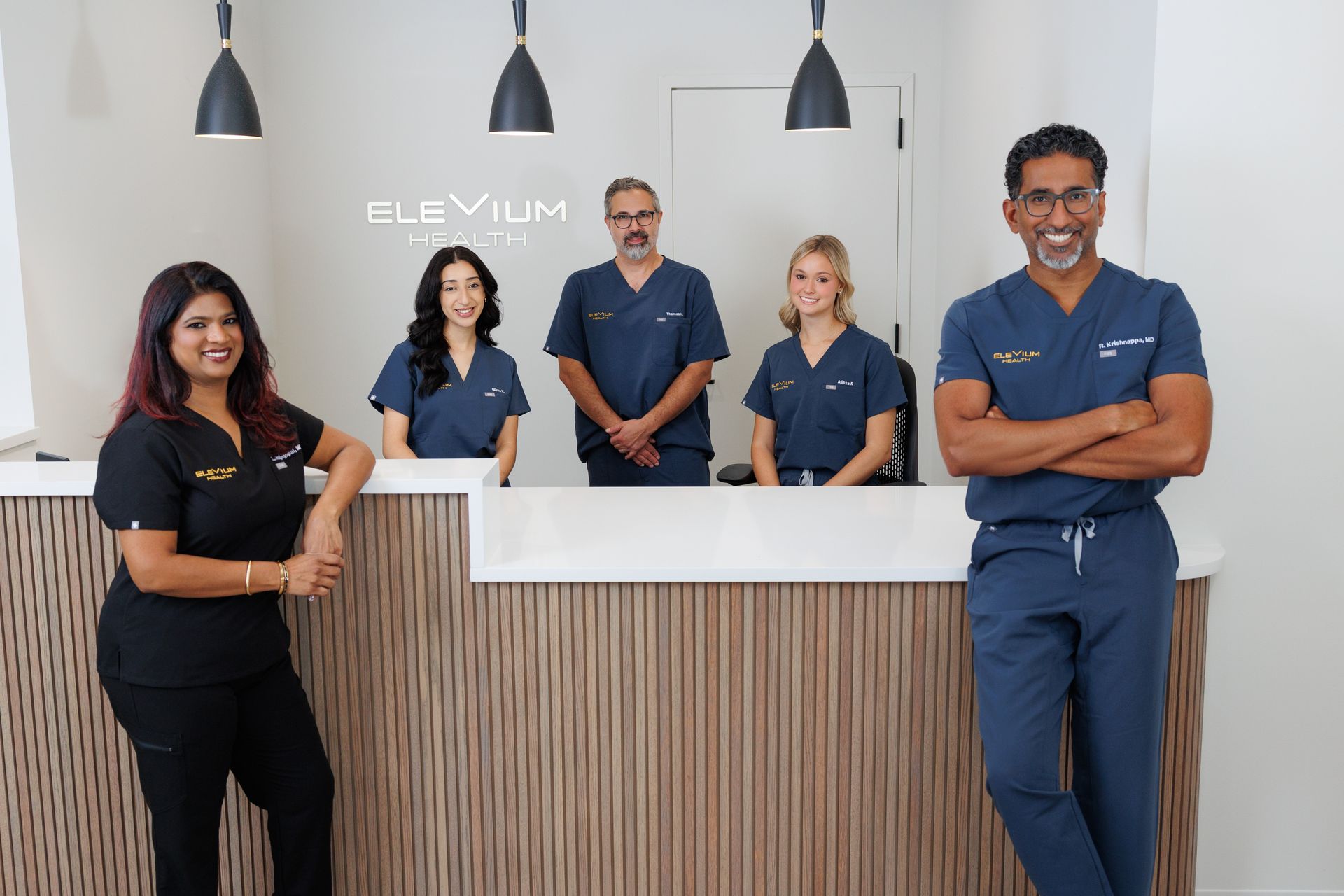
As with all TMS, candidacy depends on a clinical assessment. Every patient is screened by a board-certified psychiatrist at a 90-minute evaluation appointment before treatment is scheduled. Your physician will review your medical history, current medications, and any contraindications - including a history of seizures, ferromagnetic implants, or other safety considerations - to confirm clinical fit.
What Does a ONE-D Day Look Like?
Here's a realistic picture of what to expect.
- Evaluation appointment (before your treatment day): A 90-minute consultation with a physician to assess eligibility, review your history, and schedule your treatment. This step is required before proceeding.
- The morning of treatment: Your day begins with personalised TMS mapping by the physician to calibrate stimulation settings specific to you.
- Across the day: 20 sessions of 3-minute iTBS are delivered sequentially, each followed by a 30-minute supervised rest period. Between sessions, you can relax in your private space, watch TV, work, or simply rest. Refreshments are provided, and a curated lunch menu from local restaurants is available; you're also welcome to bring your own food.
- Sensation during sessions: TMS is not painful. Most patients notice a tapping or tingling sensation on the scalp, and the device produces a clicking sound similar to an MRI. Ear protection is provided. Some patients experience mild muscle twitching around the jaw or neck; this is a normal response to the magnetic pulse and not a cause for concern.
- After the day: Unlike ketamine or Spravato, TMS doesn't affect your consciousness. You can drive yourself home and resume your normal routine. Your care team will check in with you in the days and weeks following treatment to monitor response and discuss next steps.
- Side effects: The most commonly reported side effects are mild scalp discomfort and headaches after sessions. These typically ease with over-the-counter pain relief. Serious side effects are rare.
When Do Results Start?
Response varies between patients, and it's worth being clear about this. Because ONE-D delivers a condensed course in a single day, the neurological effects continue to consolidate in the days and weeks that follow rather than producing an immediate shift. TMS, whether standard, five-day accelerated, or ONE-D, works cumulatively — the sessions build a sustained change in neural activity rather than delivering an immediate chemical effect.
If you've previously responded to TMS, your clinical team can draw on that history to inform expectations for ONE-D.
Frequently Asked Questions
Is One-Day TMS covered by insurance?
No. ONE-D is currently offered as an investigational, self-pay program at $6,000, due before treatment begins. CareCredit financing is available, and an Elevium team member can walk you through payment plan options.
Will One Day TMS work as well as the standard protocol?
ONE-D is built on iTBS, the same accelerated TMS technology used in five-day protocols, and the broader evidence base for accelerated TMS is growing. That said, single-day formats remain an active area of clinical study, which is why ONE-D is offered as an investigational protocol. Candidacy and clinical fit are assessed at your evaluation appointment.
Is the treatment painful?
No. Most patients feel a tapping or tingling on the scalp and hear a clicking sound during sessions. Mild headaches or scalp sensitivity afterwards are common but temporary.
What happens after my ONE-D day?
You go home. Some patients see continued improvement over the following weeks as the neurological effects consolidate. Your clinical team will follow up to monitor your response and advise on whether maintenance sessions make sense down the line.
Share Article