Insurance Coverage for TMS, Spravato & Ketamine Treatments

Short version - what insurers usually do
- Spravato (esketamine): Because it’s FDA-approved and administered in a clinic under a REMS program, Spravato is routinely submitted to insurance and is often covered when plan criteria are met. Coverage still varies by plan and usually requires prior authorization or documentation of previous treatment trials. Clinics commonly bill Spravato under the medical benefit (clinic administration/observation).
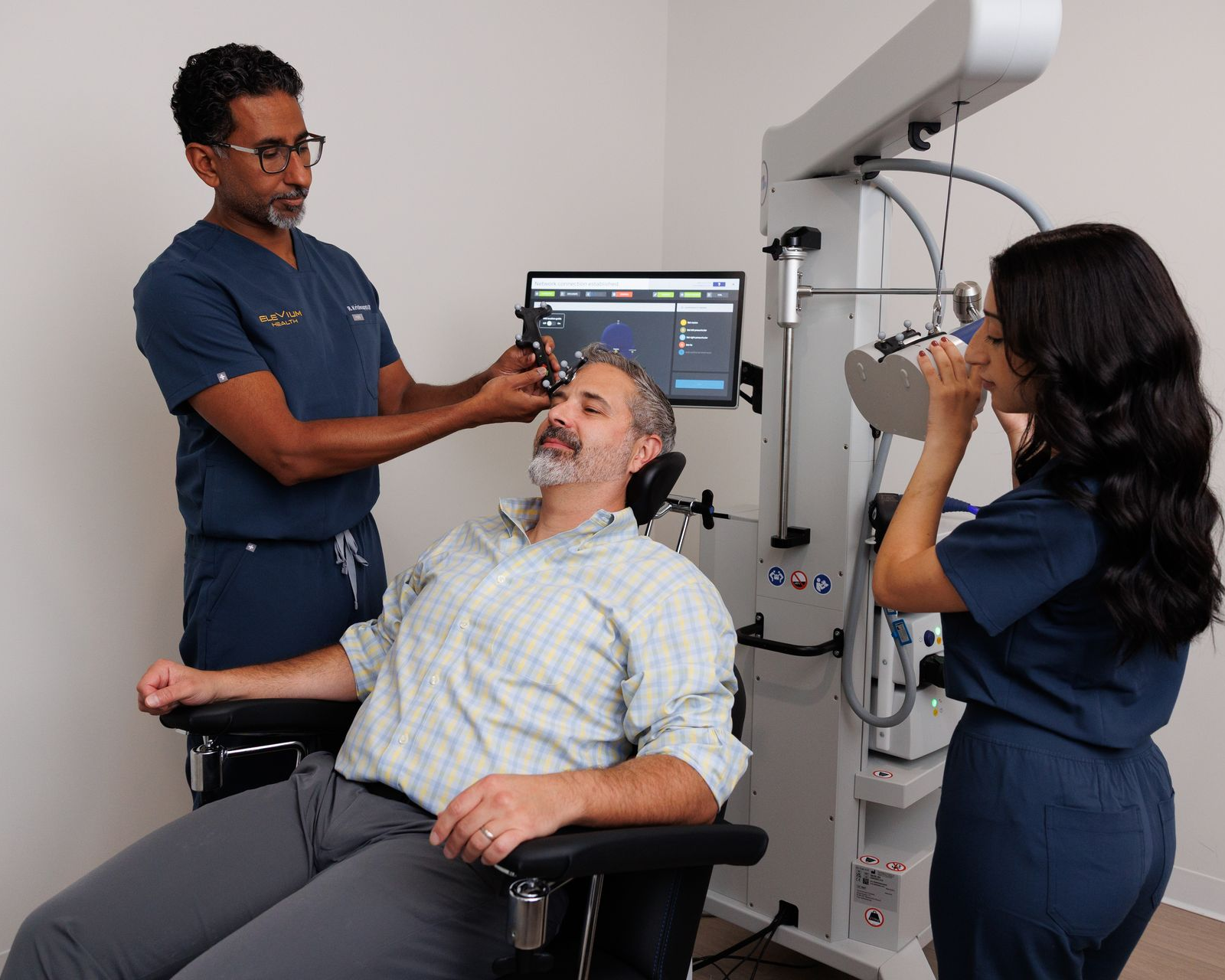
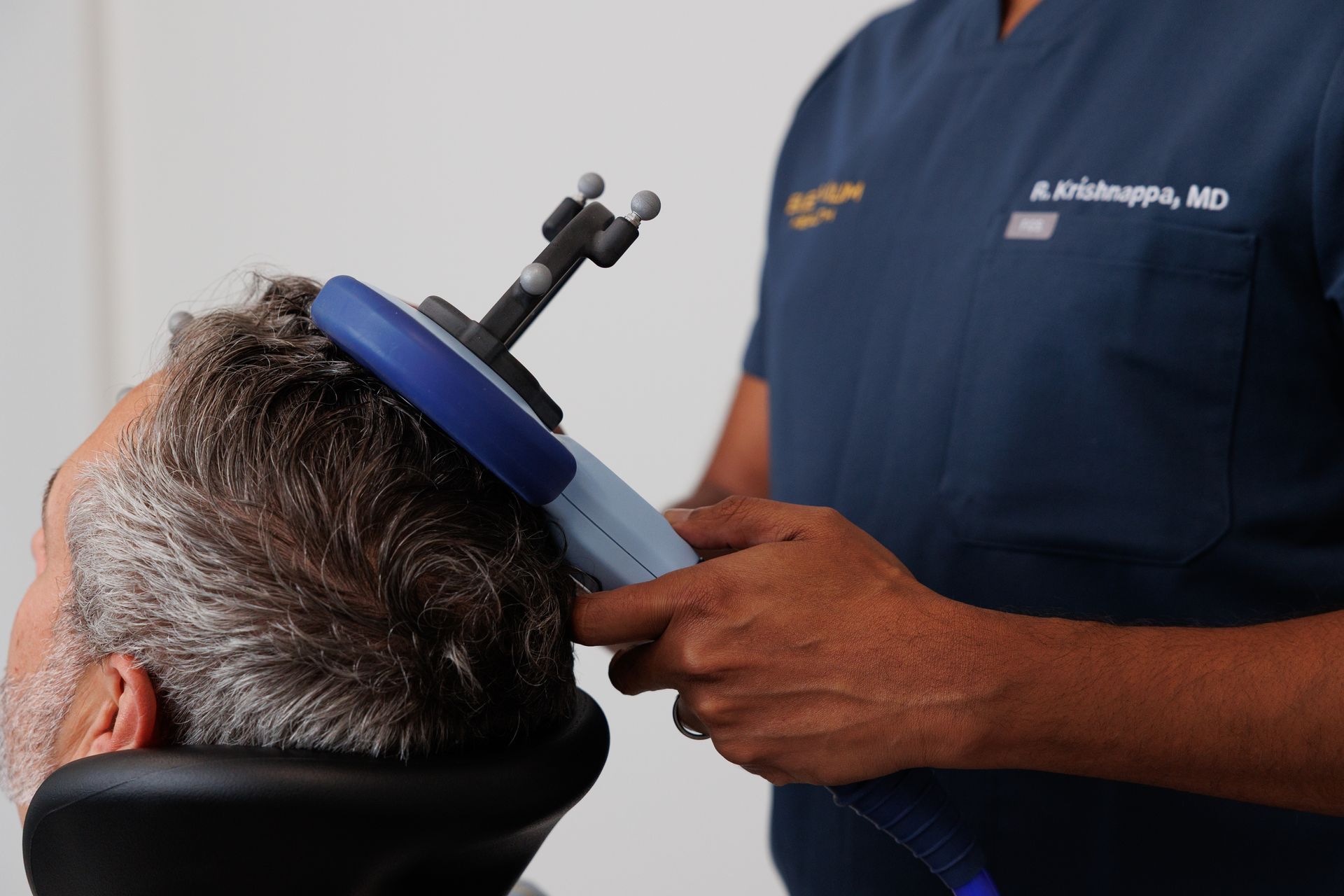
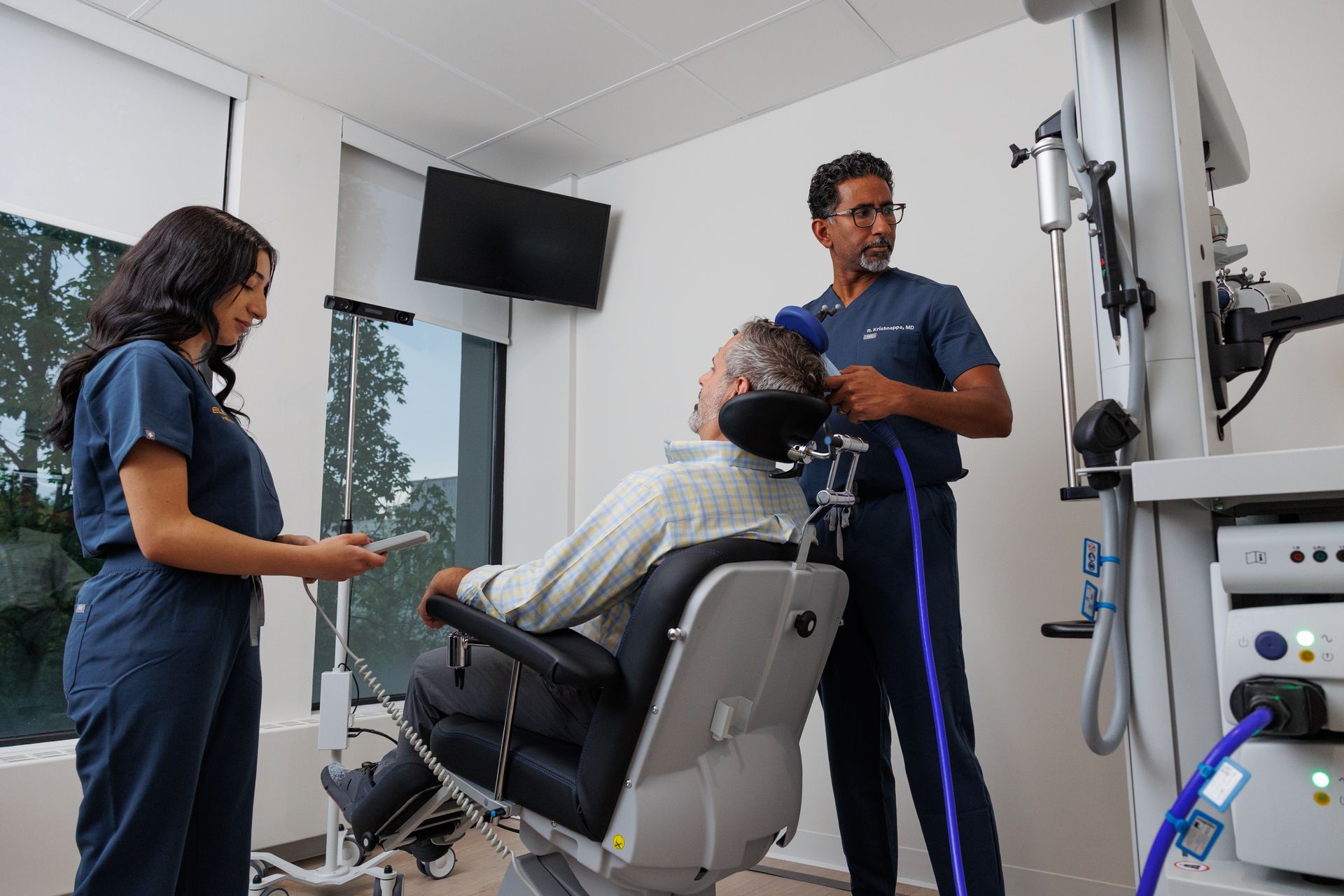
- Conventional TMS (standard schedule): Often covered by major commercial plans and Medicare when the patient meets clinical criteria (see below). Prior authorization is common.
- Accelerated TMS (aTMS) and many ketamine protocols: These are frequently self-pay. Insurers do not routinely cover accelerated schedules and many off-label ketamine treatments. Clinics provide written estimates and financing options for self-pay care.
How common insurers approach coverage (what you’ll typically see)
Key: Most insurers link coverage to clinical criteria - e.g., age ≥18, a confirmed major depressive disorder, and documented failure of multiple adequate antidepressant trials and psychotherapies. The exact required number of prior medication failures varies by insurer.
Cigna
- Typical requirement: documented failure of two prior antidepressants (from two different classes) or intolerance to four medications. Coverage is possible when the criteria are documented.
Aetna
- Typical requirement: failure of two prior antidepressants from two classes and usually a failed augmentation strategy in addition to the medication trials.
Anthem / Blue Cross Blue Shield (BCBS)
- Often requires failure of two antidepressant trials or intolerance to four medications; standards are similar to Cigna/Aetna.
United / Optum (United Behavioral Health)
- United/Optum policies often require failure of four prior antidepressants from two classes and may exclude certain newer protocols (e.g., some theta burst indications). Coverage rules can be stricter than other payers.
Humana
- Often requires failure of four antidepressants; some Humana policies have excluded theta-burst protocols despite FDA clearance.
Medicare
- Medicare’s threshold can be lower: many Medicare policies require failure of one adequate antidepressant trial or intolerance to two different antidepressants. Medicare coverage patterns for TMS are established, but prior authorization/documentation is still essential.
Tricare / Military plans
- Tricare will cover TMS when medically necessary; requirements can be one to two prior antidepressant failures, depending on the contract.
Takeaway: The number of prior medication trials and documentation of psychotherapy/augmentation strategies are the most common sticking points. If you meet those criteria and the clinic submits proper documentation, coverage is possible for conventional TMS and Spravato.

How the billing and the authorization process typically works
- Benefits check first. When you book, the clinic runs an eligibility/benefits check and confirms whether the plan covers the requested treatment, whether prior authorization (PA) is required, and whether the clinic is in-network. Clinics will provide a written estimate before scheduling.
- Prior authorization. If required, the clinic compiles clinical documentation (medication history, therapy history, rating scales) and submits a PA. Denials and delays are common for interventional therapies — clinics often manage follow-ups, appeals, and peer-to-peer reviews.
- Medical vs. pharmacy benefit. Most interventional treatments (TMS sessions, Spravato administration) are billed under the medical benefit (clinic/infusion/observation), while pharmacy benefits control prescriptions filled at a pharmacy. Because Spravato is administered in a clinic, it is commonly billed to the medical benefit, but plan rules differ. Clinics will explain the billing pathway after benefits verification.
- Patient responsibility & EOB. After the claims process, the insurer sends an Explanation of Benefits (EOB) showing what they paid and what you owe (deductible, copay, coinsurance). Patients are typically responsible for any uncovered services or unmet deductible amounts. Clinics can help interpret EOBs and file appeals when appropriate.
Single-case agreements & out-of-network options
If the clinic isn’t in-network, clinics may pursue a single-case agreement (SCA) with the insurer to allow coverage at in-network rates or pursue appeals on medical necessity. Clinics will discuss these options if needed.
Spravato vs ketamine - The Insurance Reality
- Spravato (esketamine): Because Spravato is FDA-approved for treatment-resistant depression and administered in a clinic under a REMS program, insurers are more likely to authorize and pay for it when criteria are met. Clinics routinely submit Spravato claims and explain patient responsibility; some clinics bill Spravato only to insurance and offer buy-and-bill pathways for select payers like Medicare/Tricare when applicable.
- Ketamine (IV/IM/compounded intranasal): Ketamine used for depression is generally off-label. Many insurers consider off-label ketamine treatments investigational and do not routinely cover them. As a result, ketamine infusions and compounding intranasal ketamine are commonly self-pay, though clinics may assist patients seeking case-by-case insurer reviews.
Self-pay vs insurance — example pricing scenarios
Conventional TMS (self-pay example)
Mapping + first treatment, treatment sessions. Example: 36 sessions → about $9,600. Clinics publish course estimates and confirm exact pricing after assessment.
Accelerated TMS (aTMS)
5-day protocol: ~ $12,000 (often self-pay). Accelerated protocols are commonly self-pay, even when standard TMS may be covered.
Higher-range self-pay examples
Full self-pay courses commonly range from $6,500 to $11,500 for TMS, depending on protocol and session count. Other example full-course figures include $10,000–$12,740, depending on session pricing and payment plan. Clinics provide written, itemized estimates after benefits verification or on request for self-pay patients.
Spravato
Spravato cost is difficult to estimate for self-pay because medication pricing and buy-and-bill rules vary. Most clinics submit Spravato to insurance first and will provide a coverage-based estimate; where not covered, clinics will provide a per-visit out-of-pocket estimate or discuss alternatives.
Ketamine
Ketamine Therapy — $650 per session (self-pay) Typical course - 6 sessions over 2–3 weeks → ≈ $3,900 total (6 × $650).
Flexible payment plans are available for eligible clients.
Notes: Ketamine is often delivered as a self-pay option and can be a cost-effective alternative if Spravato is not available/covered for your situation. We’ll review suitability, safety, and scheduling during your consultation.
Practical tips for patients (to improve chances of coverage / avoid surprises)
- Provide full medication & therapy history. Insurers want documented failures of adequate trials — lists of previous meds (dose/duration), psychotherapy history, and any intolerance notes help approval.
- Ask if the clinic is in-network (or if an SCA is possible). In-network care usually lowers out-of-pocket costs.
- Request a benefits check and written estimate before committing to a course. Clinics should explain deductibles, copays, coinsurance, and likely patient responsibility.
- Expect prior authorization delays and have the clinic manage PA submissions, follow-ups, and appeals. If a denial occurs, clinics often coordinate peer-to-peer calls and appeals.
- If pursuing ketamine: ask the clinic for a clear statement that ketamine is often off-label and frequently self-pay; get a written self-pay estimate and discuss financing.
Bottom line
- Spravato and conventional TMS have well-trodden insurance pathways: insurers will pay when clinical criteria and documentation are met, and prior authorization is handled.
- Ketamine (off-label) and accelerated TMS are far more likely to be self-pay. Clinics will always offer written estimates and work with patients on financing, appeals, or single-case agreements where appropriate.
Share Article