Can TMS Help with OCD? Treatment Options in New Jersey

Ritesha Krishnappa • December 30, 2025

Quick takeaway


Yes - TMS can be an effective option for some people with obsessive–compulsive disorder (OCD). In particular, deep TMS (dTMS) has received FDA clearance for OCD and is provided using specific, evidence-based protocols. At Elevium, TMS for OCD is offered as part of an integrated care plan that pairs neuromodulation with therapy, medication management, and careful clinical oversight. 


How TMS treats OCD - the basic idea


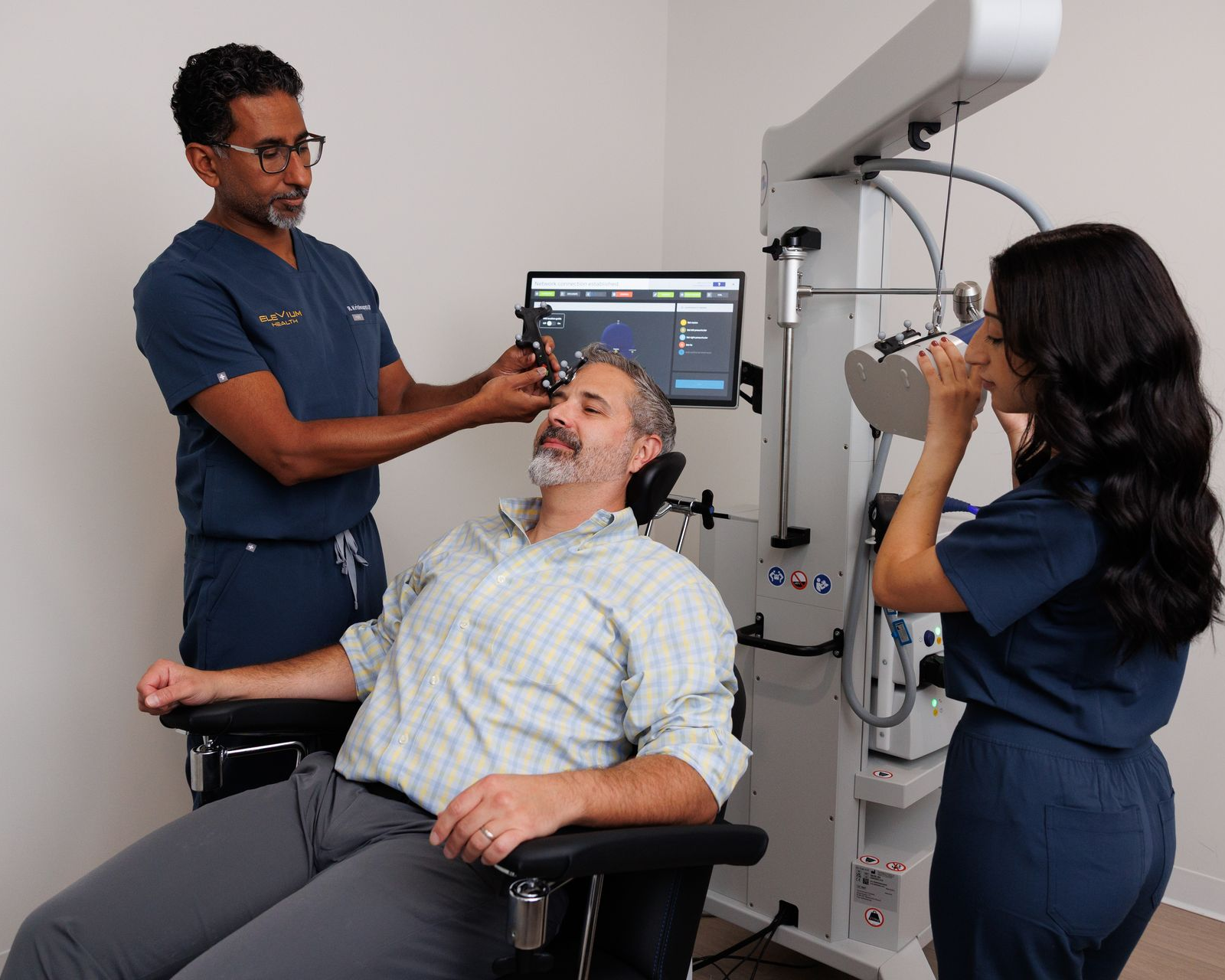
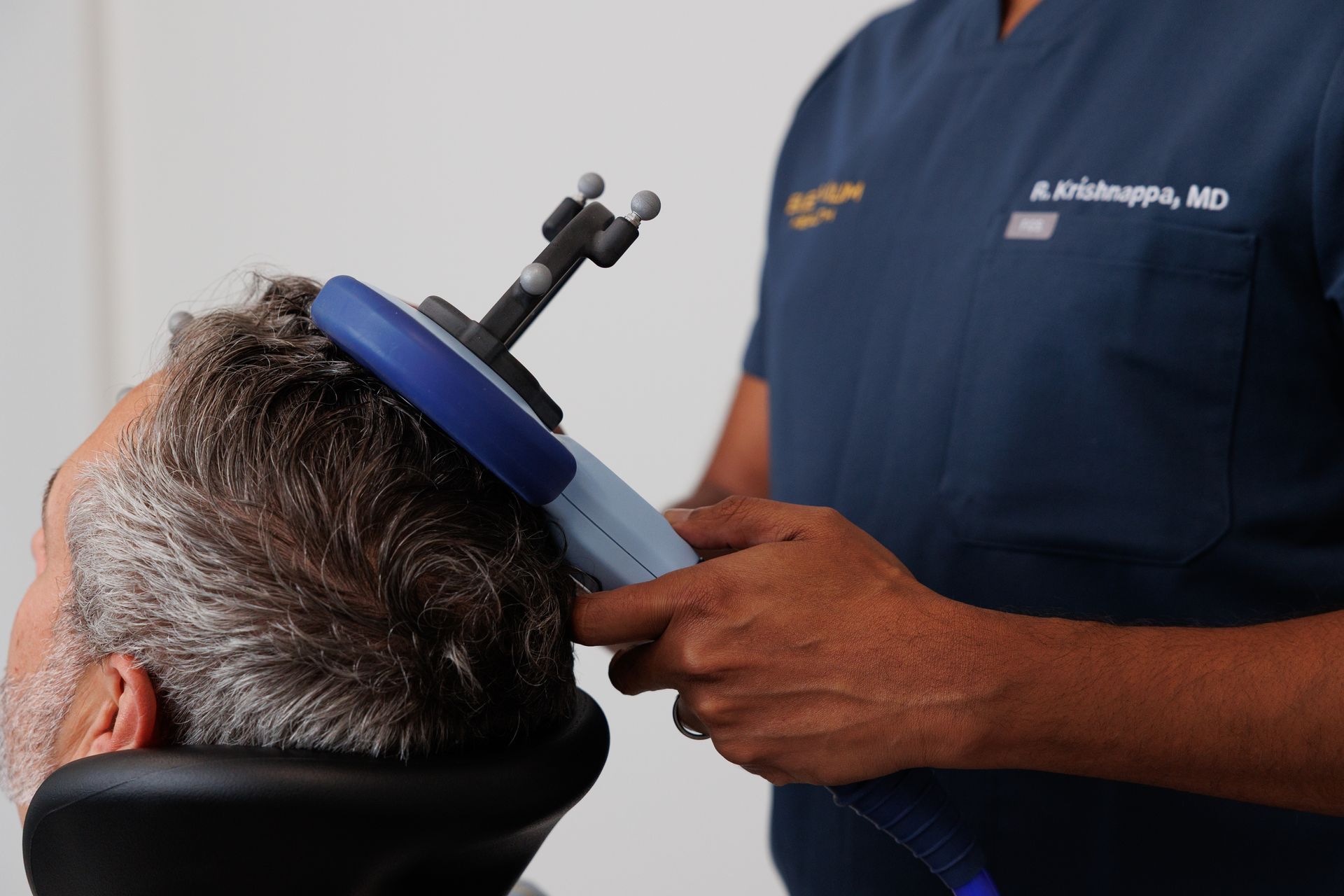
TMS uses focused magnetic fields to change activity in brain circuits involved in mood and compulsive thinking. For OCD, clinicians target the networks thought to underlie obsessive thoughts and repetitive behaviors. Deep TMS (dTMS) uses a specialized coil to reach deeper brain structures implicated in OCD and is the modality that has been FDA-cleared for this indication. Clinical protocols are standardized so clinicians can safely and reliably deliver therapeutic stimulation. 


FDA approvals & what they mean


The FDA has cleared specific dTMS systems for the treatment of OCD, which means there is a regulatory basis and controlled clinical evidence supporting its safety and effectiveness for eligible patients. FDA clearance also helps establish standardized treatment protocols and safety monitoring that clinics follow.


Typical protocols & what a course looks like


  • Intake & screening: A full psychiatric and medical evaluation is performed to confirm the OCD diagnosis, review prior treatments (therapies and medications), and screen for contraindications (for example, certain implants or seizure risk).
  • Treatment schedule: OCD TMS protocols are typically delivered as a course of daily sessions over multiple weeks. The length of each session and the total number of visits depend on the specific dTMS protocol used and the patient’s clinical response.
  • Monitoring & follow-up: Symptoms are tracked with standardized scales; clinicians adjust the plan and recommend complementary therapies (e.g., ERP — exposure and response prevention) as needed. Elevium’s guidance emphasizes standardized protocols and close outcome tracking to optimize results. 


Success rates & evidence (what research and clinic experience show)


Clinical trials and real-world clinic reports show that many patients with OCD experience meaningful symptom reductions after a full course of dTMS, and some achieve remission. Outcomes vary by individual factors (severity, duration of illness, prior treatment response). Elevium’s TMS for OCD materials summarize published evidence and emphasize honest, individualized expectations during the consent process. 


A man with glasses and a beard is wearing a blue suit and smiling.

Is TMS Right For Me?

Not sure where to begin? Take a short quiz here

Take the Quiz →

Patient experience at Elevium — what to expect


At Elevium the TMS experience for OCD is built around patient comfort, safety, and integration with other care:


  • Personalized evaluation: Licensed psychiatrists and clinical staff perform a careful assessment to confirm candidacy and create an individualized plan.
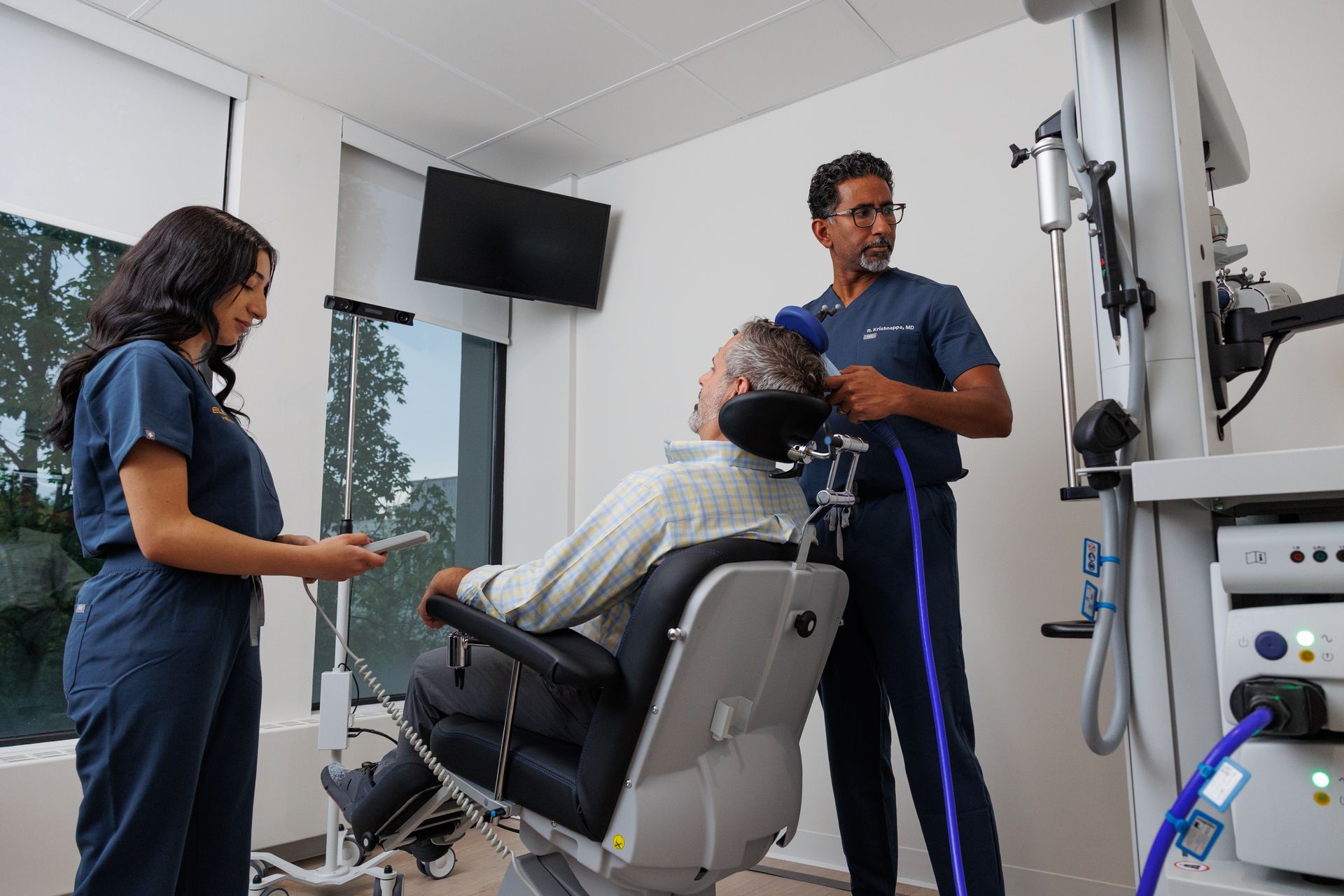
  • Experienced clinical team: Elevium’s site and staff bios show dedicated TMS technicians and clinicians who specialize in neuromodulation and patient-centered care — from intake through follow-up. Patients meet trained technicians and receive detailed education about what to expect during sessions. 
  • Integrated care model: TMS is offered alongside evidence-based psychotherapy (including ERP), medication management, and care coordination. Elevium emphasizes combining neuromodulation with behavioral therapy to maximize gains.
  • Practical logistics: Elevium helps with benefits checks, prior authorization assistance, appointment scheduling, and outcome tracking so patients and families understand costs, time commitments, and likely next steps. (See Elevium’s service planning for New Jersey.)


Who is a good candidate?

TMS for OCD is generally considered when:


  • The patient has a confirmed OCD diagnosis and persistent symptoms despite recommended first-line treatments, especially adequate trials of ERP (exposure and response prevention) and medication (usually SSRIs).
  • There are no medical contraindications (screened during intake).
  • The patient and family accept the time commitment of frequent clinic visits and the plan to pair neuromodulation with ongoing therapy when indicated. Elevium’s clinicians walk families through candidacy criteria in detail during the evaluation. 


Risks & side effects


  • Most common: Scalp discomfort or headache during or after sessions.
  • Rare but important: Seizure risk is very low when patients are properly screened and protocols are followed.
  • Other: Some patients report temporary fatigue or transient changes in sensation. Elevium follows device-specific safety checks and provides pre-treatment counseling so risks are understood and monitored. 



Insurance & coverage in New Jersey


Coverage for TMS depends on the insurer and the specific indication. Because dTMS for OCD has FDA clearance, many insurers may consider coverage when clinical criteria are met, but policies vary and prior authorization is commonly required. Elevium’s team assists with benefits checks and prior authorizations to clarify likely out-of-pocket costs. The Elevium sitemap and practice materials reflect a focus on New Jersey services and local coverage navigation.


How to get started at Elevium (New Jersey)


  • Request an evaluation - Elevium schedules a comprehensive psychiatric intake to confirm diagnosis and review prior therapy/medication history.
  • Clinical screening - medical history, seizure risk assessment, and review of any implants or devices.
  • Shared decision-making - the team reviews the dTMS protocol, expected timeline, benefits vs risks, and integration with ERP/psychotherapy.
  • Authorization & scheduling — Elevium assists with insurance checks and plans the treatment course and follow-up.
  • Treatment & measurement — daily sessions as prescribed with outcome tracking and therapy coordination.


  • Is TMS a first-line treatment for OCD?

    No. First-line care for OCD typically includes ERP therapy and medications (SSRIs). dTMS is a valuable option when standard treatments are insufficient or not tolerated.

  • How long before I might feel better?

    Some patients notice changes early, but most assessments are made after a full treatment course. Elevium uses standardized symptom tracking to monitor progress and adjust plans.

  • Can I combine TMS with ERP or medications?

    Yes - combining dTMS with ERP and medication management is common and often recommended to improve outcomes. Elevium’s integrated approach emphasizes this coordination.

Share Article

Take the Doubt Out of TMS

Wondering if TMS is right for you? Take our quick quiz to get a personalized answer. No pressure, no commitment.

Take the Quiz →
A cell phone with a screen that says is tms right for me
Hand holding a few white pills against a neutral background.
By Ritesha Krishnappa December 29, 2025
Quick overview When evidence-based talk therapy and medication management don’t bring sufficient relief, Elevium offers advanced, clinically proven options that can help many people regain function and hope: TMS (Transcranial Magnetic Stimulation) — a non-invasive, FDA-cleared brain-stimulation therapy for depression and certain other conditions. Spravato (esketamine) — an FDA-approved, rapidly acting medication for treatment-resistant depression given in-clinic under a REMS safety program. Ketamine (IV/IM/compounded intranasal/oral) — an off-label but increasingly used rapid-acting option with a different regulatory and coverage profile than Spravato. Each has different mechanisms, logistics, evidence levels, and cost/coverage patterns. Below, we explain how they work, who they help, what to expect, and how Elevium integrates them into personalized care. First step: careful re-evaluation Before recommending an advanced therapy, Elevium begins with a comprehensive reassessment: review of diagnosis, co-occurring conditions ( anxiety, PTSD, bipolar spectrum, substance use ), medication history, prior psychotherapy responses, safety (including suicidal risk), medical history, and relevant labs or imaging. This ensures that the chosen option is medically appropriate and that reversible contributors (such as sleep, thyroid, substance, and medication interactions) have been addressed. Elevium’s medication-management and intake workflows emphasize this structured evaluation and shared decision-making. TMS: how it helps when meds/therapy aren’t enough How it works TMS uses focused magnetic pulses to stimulate brain regions involved in mood regulation (commonly the left dorsolateral prefrontal cortex). It is a non-invasive procedure performed while the patient is awake. Evidence shows TMS can significantly reduce depressive symptoms in many patients who have not responded to multiple medication trials. Who it’s for People with treatment-resistant depression (failed adequate trials of antidepressants) or those who can’t tolerate medication side effects. Selected patients with OCD or other indications, when supported by the device/protocol and clinical judgment. (Device-specific approvals and local practice guide candidacy.) What the course looks like Intake & screening: psychiatric evaluation, medical history, and motor-threshold titration. Typical course: daily sessions (usually 5×/week) for ~4–6 weeks (about 20–30 sessions). Some accelerated protocols (e.g., iTBS) use much shorter sessions. During sessions, patients are awake, can read or relax, and usually resume normal activities afterward. Side effects are most commonly scalp discomfort or headache; seizures are rare with proper screening. Why does it help when meds fail TMS offers a non-systemic approach that targets neural circuits directly rather than changing neurotransmitter levels systemically. That means patients who did not respond to medication trials sometimes respond to TMS. Pros/cons summary Pros: FDA-cleared, few systemic side effects, durable responses for many. Cons: Time commitment (daily visits), potential for scalp pain/headache, insurance often requires prior authorization and documentation of prior treatment failures.
By Ritesha Krishnappa December 22, 2025
At Elevium, we believe there’s no one-size-fits-all answer to mental health care. Every treatment has strengths, limitations, and a best-fit patient. Below is a clear, patient-friendly comparison to help readers weigh their options and see how Elevium integrates treatments into individualized plans. At a glance - Quick Comparison Table
By Ritesha Krishnappa December 18, 2025
What is TMS (Transcranial Magnetic Stimulation)? TMS uses focused magnetic pulses to stimulate targeted areas of the brain (most commonly the left dorsolateral prefrontal cortex for depression). Pulses are delivered with a coil placed on the scalp; treatment is done while awake and does not require anesthesia. Variants: Standard rTMS: sessions ~30–45 minutes. iTBS (intermittent theta burst stimulation): accelerated protocol with much shorter sessions (often 3–10 minutes) that can produce similar clinical results in many patients. Safety & Side Effects: The most common side effects are mild scalp discomfort or headache, which typically resolve. Serious events (seizures) are rare when patients are properly screened and protocols followed. Who is a candidate for TMS? TMS is typically considered when: A patient has major depressive disorder that has not responded adequately to multiple antidepressant trials or therapy. Medication side effects are intolerable, or the patient prefers a non-drug option. The patient can attend frequent sessions and has no contraindications (e.g., certain metal implants near the head, unshielded intracranial hardware, or an active condition that raises seizure risk). For teens: certain devices have adolescent indications — candidacy is determined by device labeling and clinician judgment. Typical pre-treatment evaluation includes: psychiatric assessment, medical history, medication review, seizure risk evaluation, and review for metal implants. A baseline symptom scale (PHQ-9, etc.) is often used to track progress. What to expect during treatment (timeline & session flow) Evaluation & prep Initial consult / intake (60–90 minutes): psychiatric history, prior treatments, informed consent, and screening. Motor threshold titration: first appointments set the stimulation intensity based on each patient’s motor threshold (a quick calibration). Treatment course Frequency: Most standard protocols are 5 sessions per week (Mon–Fri). Duration: Typical acute course is 4–6 weeks (totaling ~20–30 sessions). Some protocols extend to 6 weeks or include additional sessions for partial responders. Session length: Traditional rTMS sessions 20–45 minutes; iTBS sessions about 3–10 minutes. Maintenance: Some patients have periodic maintenance TMS (weekly or monthly) if symptoms recur. During a session You’ll sit comfortably. The technician positions the coil and runs the protocol. You’re awake and alert and can read, use your phone, or relax. Most patients return to normal activities immediately after (unlike treatments that require post-procedure monitoring or sedation).
By Ritesha Krishnappa December 18, 2025
Quick overview Medication management at Elevium is a collaborative, medical approach to treating mood, anxiety, and related conditions. It’s not just “getting a prescription” - it’s an ongoing process of assessment, careful medication selection, safety monitoring, and coordination with therapy and other supports. Elevium’s medication management workflow is designed to be evidence-informed, patient-centered, and transparent about costs and logistics.
By Ritesha Krishnappa December 18, 2025
Quick answer If you’re a parent looking at TMS (transcranial magnetic stimulation) or Spravato (esketamine nasal spray) for a teen with depression, the biggest takeaway is this: TMS has FDA-cleared options for some adolescents (ages 15–21) as an adjunct treatment for major depressive disorder, depending on the specific TMS system and clinical scenario. Spravato is not established for pediatric patients (safety/effectiveness in people under 18 hasn’t been established in labeling). Spravato also requires in-clinic administration and at least 2 hours of monitoring each session due to risks like sedation/dissociation and respiratory depression. Below is a parent-friendly guide: eligibility, safety data, FAQs, and what options a clinic like Elevium may offer for younger patients. What are these treatments? TMS (Transcranial Magnetic Stimulation) TMS uses a magnetic coil placed on the scalp to stimulate brain circuits involved in mood regulation. It’s non-invasive, done awake, and doesn’t require anesthesia. In youth research, the most common side effects are typically headache and scalp discomfort, and serious adverse events are uncommon when safety guidelines are followed. Spravato (Esketamine) Spravato is a controlled substance nasal spray administered under supervision in a certified healthcare setting with monitoring because of risks like sedation/dissociation and respiratory depression. It is not dispensed for home use. Spravato. For pediatric use, labeling states that the safety/effectiveness has not been established. Eligibility: Who might be a candidate? TMS eligibility (typical teen considerations) A teen may be considered when: Depression is moderate to severe and significantly impairing. Symptoms haven’t improved enough with evidence-based first-line care (therapy and/or medication), or there’s a reason meds aren’t a good fit. The teen can attend frequent sessions and cooperate with treatment. No contraindications (for example, certain metal implants near the head). Important age note: Some TMS devices now have FDA-cleared indications for adolescents 15–21 as adjunct treatment for MDD. Spravato eligibility for teens In practice, most reputable programs treat Spravato as an adult-focused option because pediatric safety/effectiveness is not established in the labeling. If a clinic considers ketamine/esketamine-type therapies for youth at all, it’s usually in highly specialized contexts with careful risk/benefit review and parent/guardian involvement.
By Ritesha Krishnappa December 15, 2025
Quick answer  Spravato (esketamine) - more likely to be covered by insurance for treatment-resistant depression or certain labeled indications because it is FDA-approved for those uses and provided under a REMS (safety) program. Coverage usually requires prior authorization and is commonly billed through the medical benefit (clinic/office administration), though specifics vary by insurer. Ketamine (racemic or other formulations) given for depression (IV, IM, oral, compounded intranasal) is generally off-label for psychiatric indications. Most commercial and government payers treat ketamine for depression as experimental/ investigational and do not routinely cover it, so patients commonly pay out-of-pocket. Exceptions can occur on a case-by-case basis. Below is a patient-friendly but practical breakdown to help you understand the differences, benefits, and when each option might be preferred. How insurers think about these two treatments 1. FDA approval & labeling (big insurer signal) Spravato (esketamine): FDA-approved specifically for treatment-resistant depression (and for depressive symptoms in certain cases). Because it’s approved and regulated (REMS), payers have a clear precedent for coverage policies — though they still typically require documentation of prior treatment attempts and a prior authorization. Ketamine (IV/IM/oral/compounded intranasal): Ketamine as an anesthetic is FDA-approved, but not specifically approved for depression except for esketamine. Using ketamine for depression is off-label, so most insurers label it “investigational” and don’t cover it routinely. 2. Delivery setting & billing pathway Spravato: Administered in a certified clinic with monitoring (because of REMS). Charges are generally billed under the medical benefit (clinic visit/drug administration/observation). In some systems, parts may route through the pharmacy/medical split — check your plan. Ketamine: Often given via IV infusion in outpatient infusion clinics/medical offices. Since this use is off-label, some insurers will not cover the drug or the infusion visit; even when they do, coverage is inconsistent. Ketamine given for anesthesia (unrelated uses) is covered in its approved context, but that does not imply coverage for depression treatment. 3. Evidence & guidelines Spravato has randomized trials, an FDA label, and published REMS safety requirements — this strengthens the case for insurer coverage. Ketamine has growing evidence showing rapid antidepressant effects but lacks a universal regulatory approval for depression (outside esketamine), so guidelines and payer policies are uneven. Benefits of each treatment (clinical perspective) Spravato (esketamine) Standardized, FDA-approved formulation and dose. REMS program requires safe administration and monitoring, which some insurers view positively. Good evidence for treatment-resistant depression and a clear pathway for prior authorization. Administered under supervision with structured follow-up — easier to document for insurers. Ketamine (IV/IM/oral/compounded) Flexible routes of administration (IV, IM, oral, intranasal) — IV infusions may produce rapid effects. Often faster & flexible protocols in experienced clinics (some patients respond when other treatments fail). Potentially lower direct drug cost (depending on formulation), but overall cost can still be high because of clinic fees and repeat sessions. Clinical experience: Many providers and clinics report beneficial outcomes, particularly for acute suicidal ideation or rapid symptom relief; however, standardization and long-term data vary.
By Ritesha Krishnappa November 11, 2025
For many patients, Spravato (esketamine nasal spray) represents a lifeline when traditional antidepressants fall short. However, no treatment is without risk, and you may have stumbled upon online stories that read “Spravato ruined my life.” In this article, we’ll explore: Why some patients have negative experiences Common and rare side effects of Spravato How to minimize risks When to seek help What makes treatment at Elevium different
By Ritesha Krishnappa November 4, 2025
Transcranial Magnetic Stimulation (TMS) is FDA-approved and widely considered a safe, effective treatment for depression, OCD, and other mood disorders. But, as with any therapy, individual experiences vary - and online, you may have come across forums or articles claiming “TMS made me worse.” At Elevium , we believe in open, honest communication about both the benefits and the potential challenges of treatment. In this article, we’ll cover: Why some patients report negative experiences The most common side effects How Elevium minimizes risk and enhances outcomes What to do if symptoms worsen How to make an informed, confident decision about TMS
By Ritesha Krishnappa October 23, 2025
When to Expect Results and Side Effects from Spravato
By Ritesha Krishnappa October 22, 2025
How Much Does Spravato Cost?  Understanding Pricing, Insurance, and Treatment Options
A cell phone with a screen that says find your treatment fit

Take the Guesswork Out of Treatment

Answer a few quick questions to discover which treatment best fits your needs.

Take the Quiz →