Accelerated TMS Explained: Who’s a Good Candidate?
Quick Answer
Accelerated TMS - typically delivered with condensed iTBS protocols that allow multiple short sessions per day - is best for people who need faster symptom relief, can’t commit to a 4–6 week schedule, or are willing to travel for a focused treatment week. It’s a safe, evidence-based option for many people with treatment-resistant depression and certain other conditions, but candidacy requires a careful clinical evaluation and screening.
What is Accelerated TMS (briefly)?
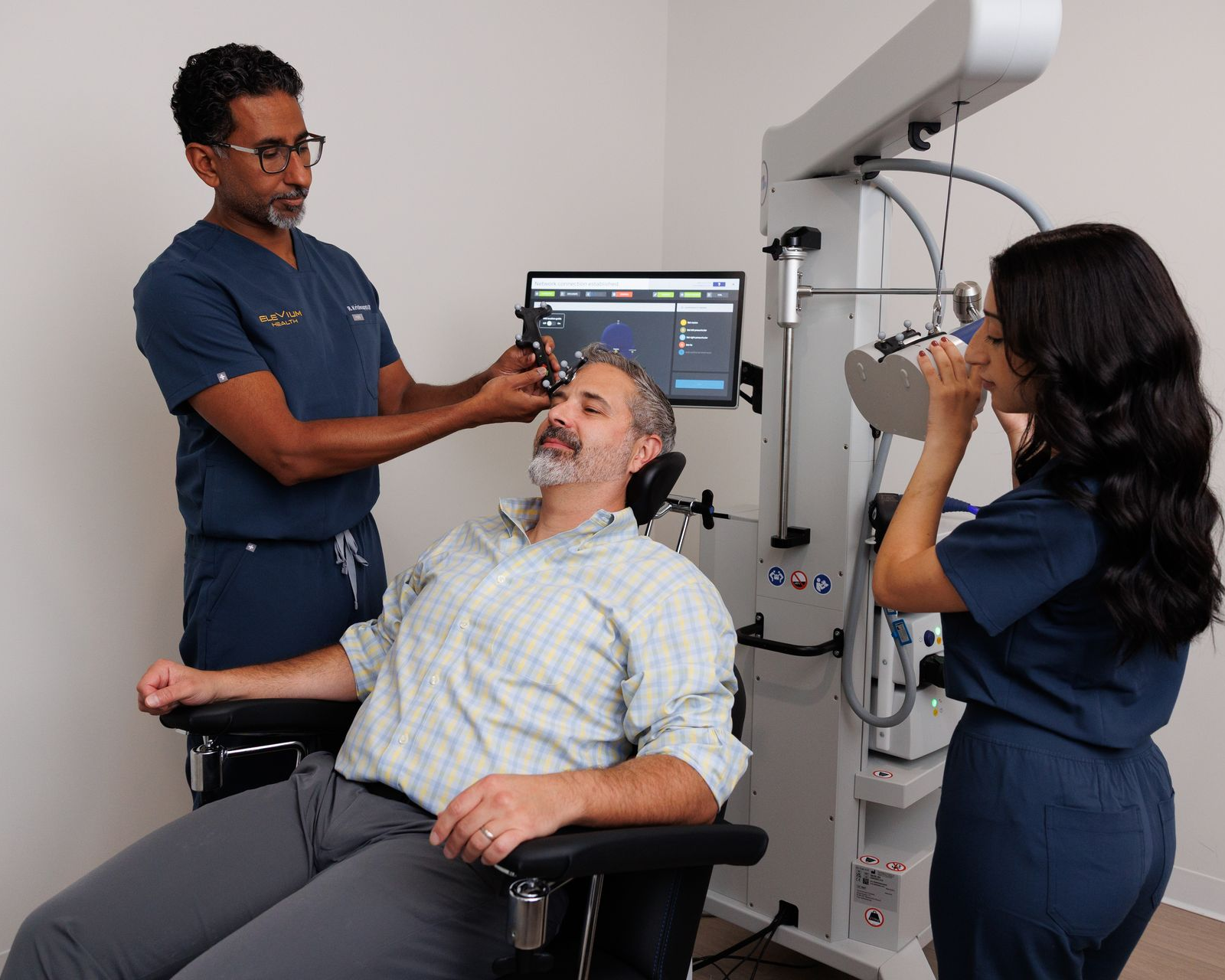
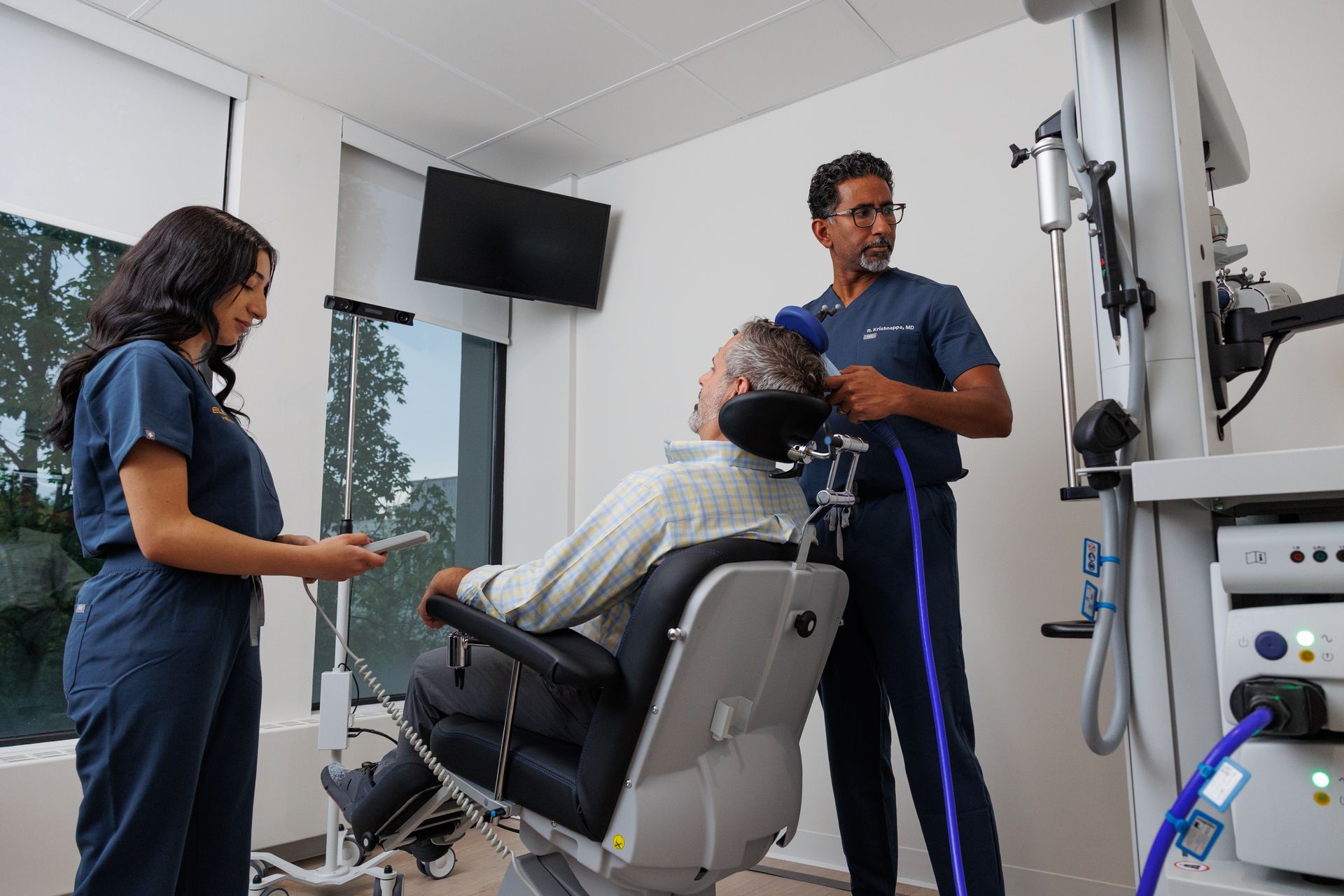
Accelerated TMS uses established TMS technology (magnetic pulses to stimulate brain circuits) but delivers multiple short sessions per day instead of one session daily over many weeks. The most common accelerated approach uses iTBS (intermittent theta-burst stimulation) — sessions are very short (often 3–10 minutes), and a full course can be completed in days rather than weeks. Some accelerated programs deliver ~10 sessions per day × 5 days (≈50 sessions total), though exact protocols vary by clinic and patient.
How does it work (in plain language)?
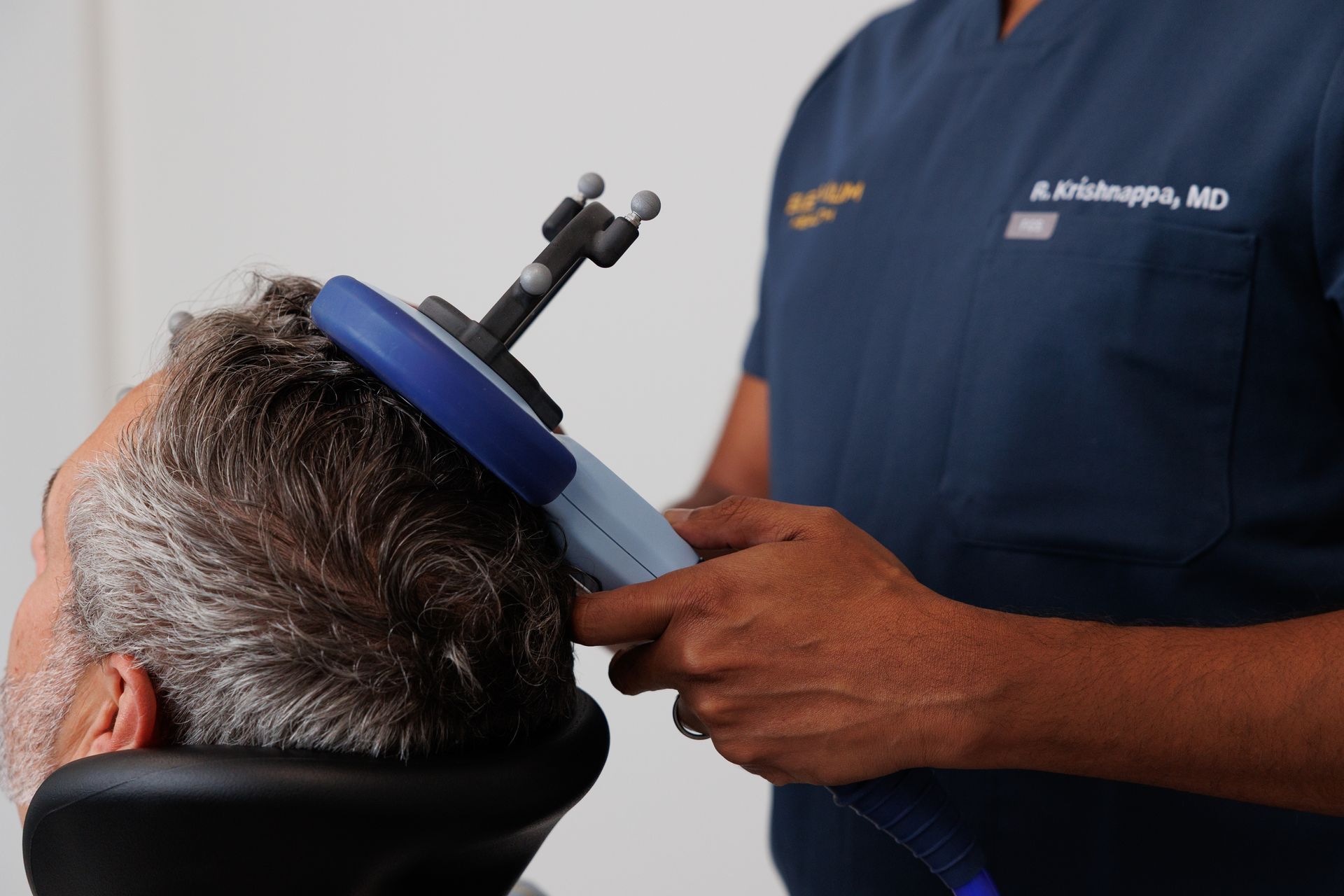
TMS targets brain regions involved in mood regulation (usually the left dorsolateral prefrontal cortex for depression) using a magnetic coil placed against the scalp. iTBS delivers rapid bursts of stimulation that are thought to induce neuroplastic changes faster than standard repetitive TMS (rTMS). The logistics differ — accelerated protocols schedule several short sessions with breaks during a single clinic day, repeated for a condensed course. Clinically, safety and motor-threshold calibration are performed for every patient to ensure correct dosing.
Who’s a good candidate for accelerated TMS?
Good candidates often include people who:
- Have major depressive disorder that hasn’t responded adequately to one or more antidepressant trials and psychotherapy (treatment-resistant depression).
- Need rapid treatment due to life constraints (work, caregiving) and cannot commit to daily sessions for 4–6 weeks.
- Prefer a non-systemic option (no sedation or systemic medication side effects) or can’t tolerate antidepressant side effects.
- Can attend multiple short sessions in a single day (physically and logistically) or are willing to travel and stay near the clinic for the week.
- Want discreet care — executives and high-profile patients who value private scheduling and billing often choose accelerated protocols paired with concierge services.
Who may be especially suited to travel for accelerated TMS:
- NYC commuters who can’t take weeks off but can plan a single intensive week.
- Out-of-state patients seeking clinics with extensive accelerated experience.
- Professionals and executives seeking privacy and concierge scheduling. Elevium’s destination & concierge workflows were developed to support these patients.

Who is NOT a good candidate?
Accelerated TMS is not for everyone. Typical exclusions include:
- Active seizure disorder that is uncontrolled or has a recent history of seizures.
- Certain intracranial metal implants or electronic devices near the head (your clinician will screen for this).
- Some medications that substantially lower the seizure threshold (clinician review required).
- Unstable medical conditions or uncontrolled hypertension without medical clearance.
- Active psychosis — TMS is typically not used as a first-line treatment for primary psychotic disorders.
Your clinician will review medical history, medications, and safety screens (including motor-threshold testing) before recommending accelerated TMS. Seizures are rare when proper screening and protocols are followed.
Benefits of accelerated vs. standard TMS
Why patients choose accelerated TMS
- Time efficiency: Complete a full course in days instead of weeks - ideal when time is limited.
- Practical for destination patients: One intensive trip often beats daily local visits for 6 weeks.
- Same core technology: Accelerated iTBS works on the same brain circuits as standard rTMS and is delivered under the same clinical safety standards.
Discreet & flexible: Paired with concierge scheduling and private billing, accelerated programs are attractive for executives and privacy-minded patients.
Trade-offs to consider
- Intensive daily schedules require stamina and planning; you’ll spend many hours on-site each day, even though each stimulation is short.
- Insurance coverage for accelerated packages varies — standard TMS has more established prior-authorization pathways, while accelerated programs are often arranged as private packages. Expect clinics to offer benefits checks and itemized estimates.

What outcomes can patients expect?
Clinical evidence for accelerated protocols is growing — many patients report symptom improvement during or shortly after the intensive week. Some see meaningful benefit by Day 5; others require maintenance or boosters. As with all neuromodulation, outcomes vary by history, illness severity, and concurrent treatments. Clinics track outcomes using validated scales (PHQ-9, GAD-7) and adjust plans accordingly.
How Elevium supports accelerated & destination patients
Elevium’s model anticipates practical needs for accelerated care:
- Concierge planning & discreet booking: private scheduling, flexible appointment blocks, and self-pay privacy options for executives.
- Travel Pack & destination coordination: sample 3-day/5-day itineraries, lodging guidance, travel logistics, and a Destination Patient Coordinator to plan your week.
- Secure intake (Tebra portal): complete forms and upload records before arrival to speed screening.
- Benefits checks & itemized cost estimates: Elevium performs prior-authorization attempts for insurance when possible and provides clear self-pay pricing for accelerated packages.
Practical checklist for prospective accelerated TMS patients
- Do: Arrange a teleconsult, upload medical records, confirm travel & lodging, pre-complete intake forms in the portal, plan light activity during the week, hydrate, and rest between sessions.
- Don’t: Travel without a buffer day before long flights, right after treatment; ignore medications that could impact seizure risk.
- Bring: ID, meds list, snacks, water, phone charger, comfortable clothing, earphones, and any work you can pause between sessions.
Costs & coverage (what to expect)
- Typical all-in sample pricing: Accelerated packages are often self-pay; sample packages commonly fall in the $7,000–$12,000 range, which may include evaluation, the intensive week, follow-ups, and a touch-up window. Exact pricing varies by clinic.
- Insurance: Standard TMS is often covered with prior authorization for treatment-resistant depression; accelerated courses are more commonly packaged as private/concierge offerings - Elevium helps with benefits checks and PA submissions.
Is accelerated TMS safe?
Yes — when performed in reputable clinics with careful screening, motor-threshold calibration, and trained staff. Seizures are rare under standard safety protocols.
How fast will I see results?
Some patients notice changes during or immediately after the week; others need weeks and may benefit from maintenance sessions.
Can I travel home the same day the treatment ends?
Many patients do, but clinics often recommend a buffer day if possible — ask your care team.
Do you need someone to accompany me?
Accelerated TMS typically does not require sedation; however, clinics sometimes advise an escort if you feel tired after a day of sessions.
Share Article