Pros & Cons: TMS, Ketamine, Meds, Psychotherapy, Spravato
At Elevium, we believe there’s no one-size-fits-all answer to mental health care. Every treatment has strengths, limitations, and a best-fit patient. Below is a clear, patient-friendly comparison to help readers weigh their options and see how Elevium integrates treatments into individualized plans.
At a glance - Quick Comparison Table
| Treatment | Typical benefits | Typical downsides | When it’s a good option |
|---|---|---|---|
| Psychotherapy (CBT, DBT, family therapy, etc.) | Builds lasting coping skills, treats root causes, few medical side effects | Takes time and active participation; access/wait times can vary | Mild–moderate symptoms, first-line for many conditions, essential adjunct to medical treatments |
| Medication Management | Accessible, evidence-based, often covered by insurance | Side effects, weeks to full benefit, trial-and-error for best fit | First-line for moderate to severe depression/anxiety; good for maintenance care |
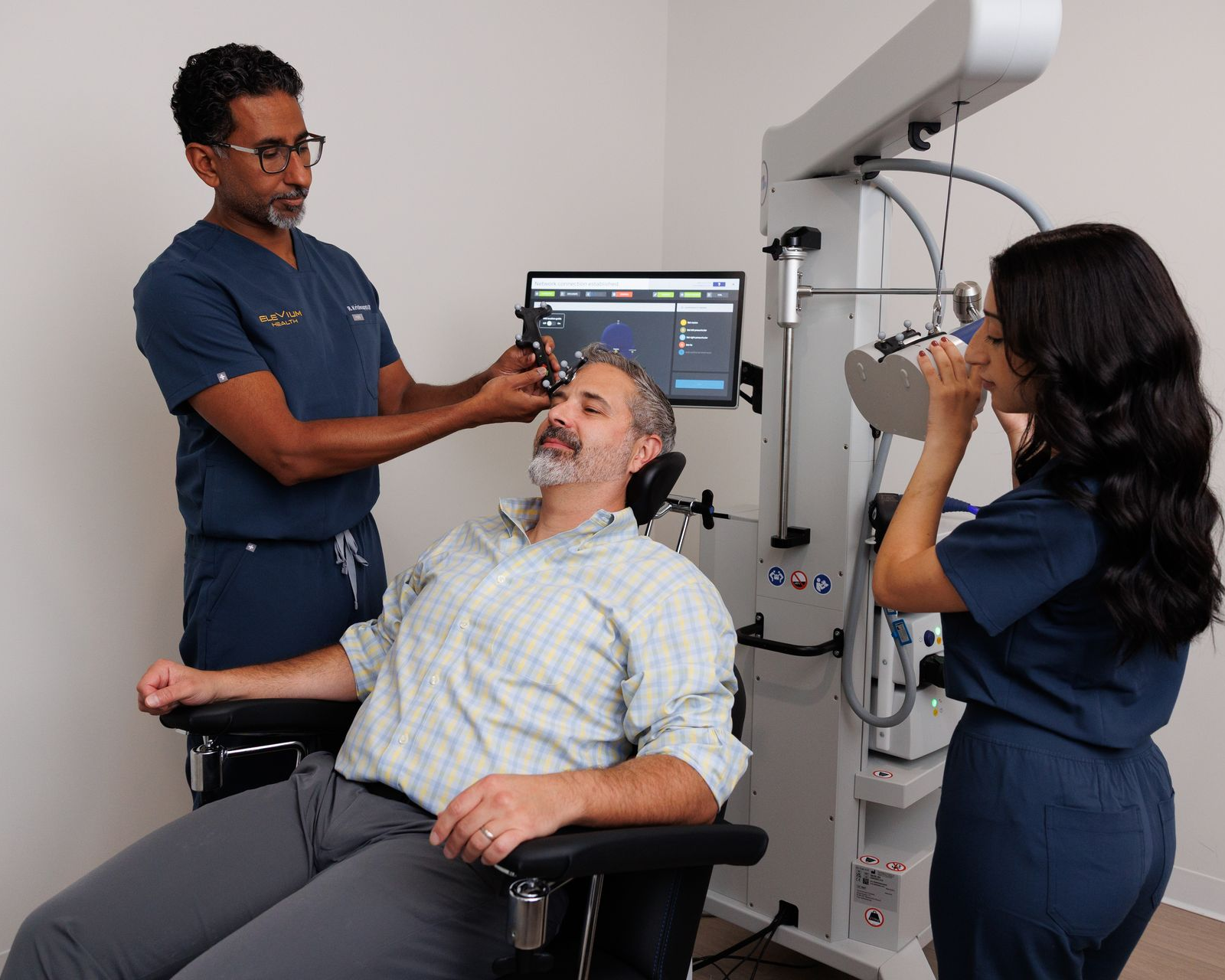
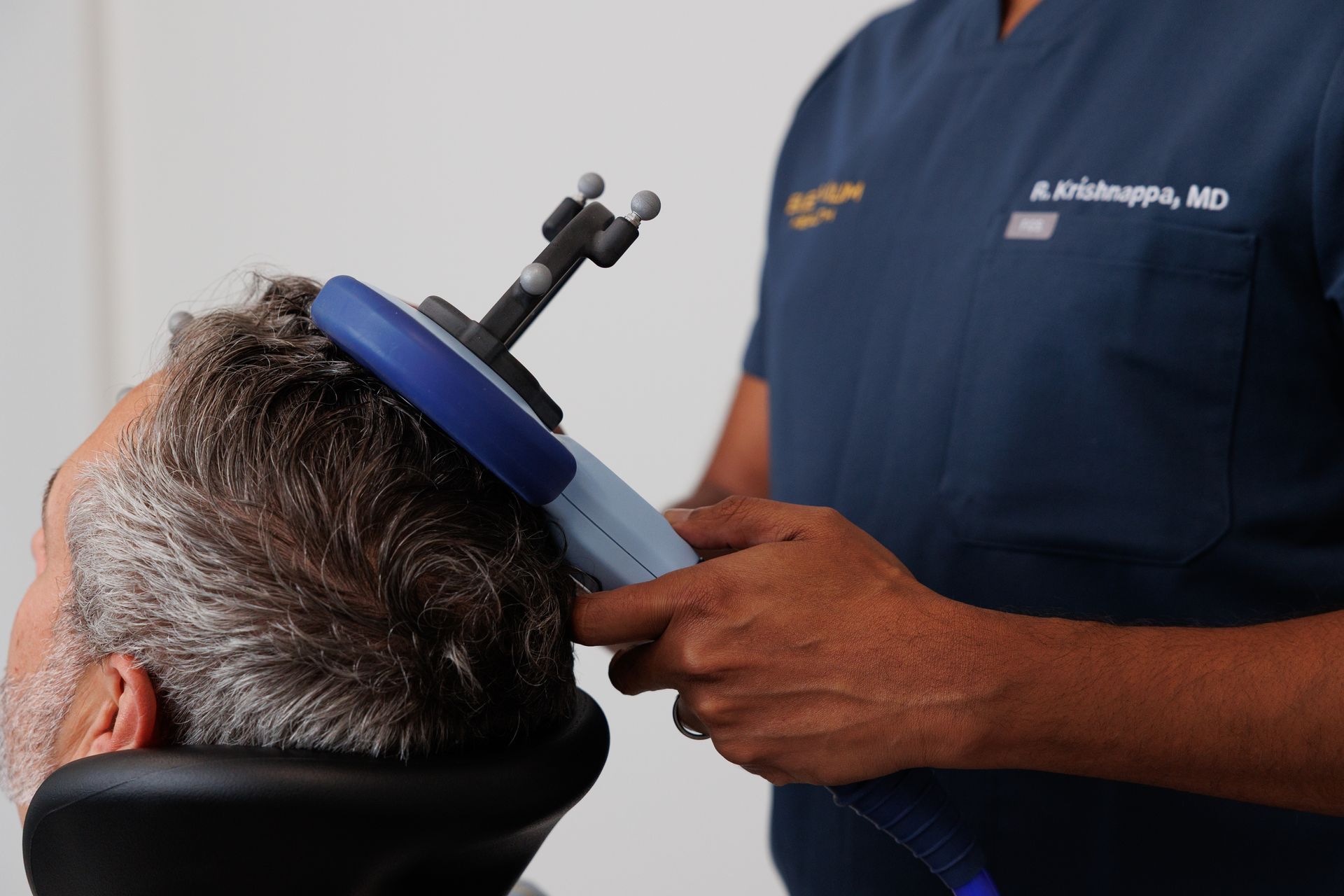
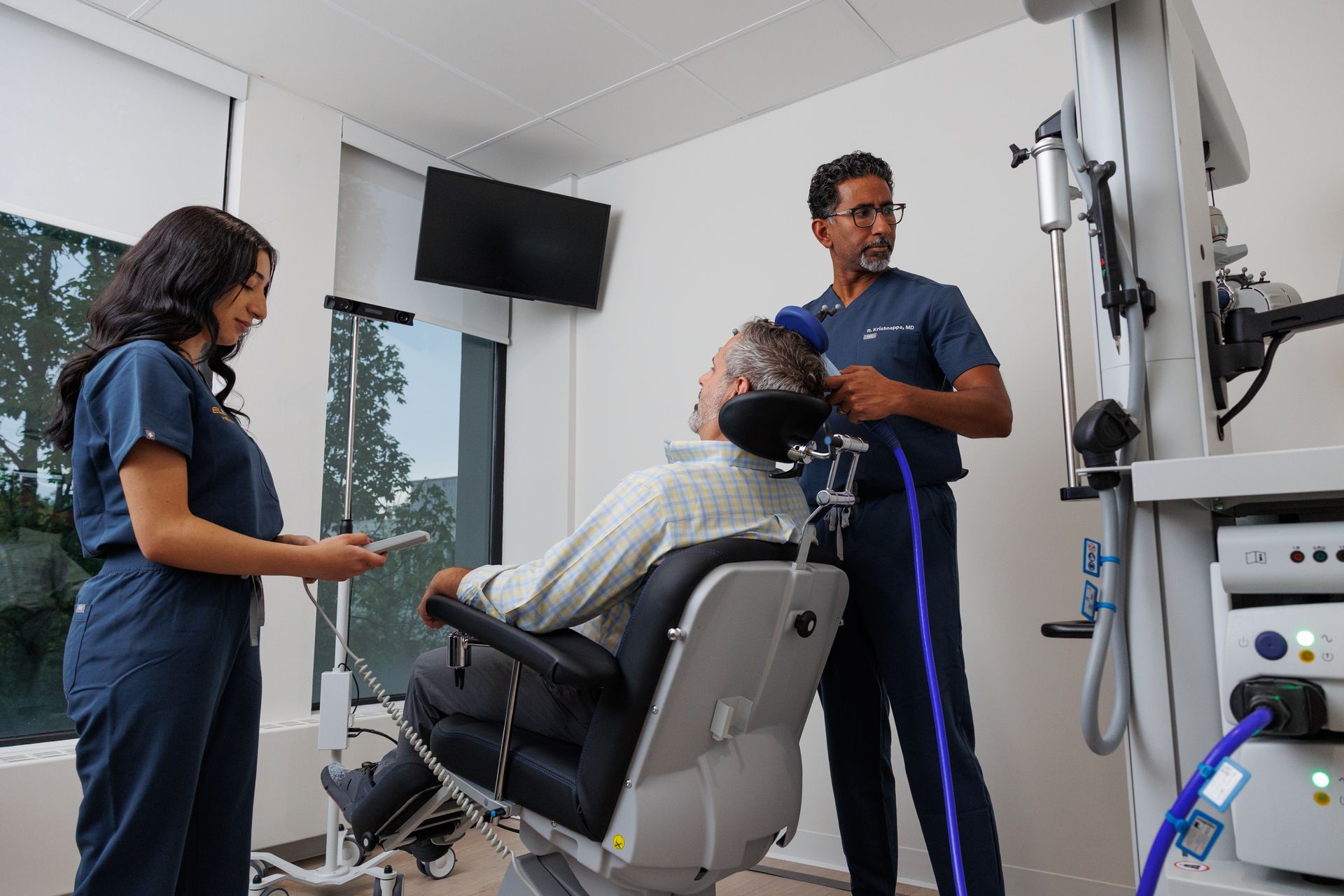
| TMS (Transcranial Magnetic Stimulation) | Non-systemic, FDA-cleared for depression, few systemic side effects | Requires daily clinic visits for several weeks; possible scalp pain/headache; rare seizure risk | Treatment-resistant depression or patients preferring a non-drug approach |
| Ketamine (IV/IM/compounded intranasal/oral) | Rapid antidepressant effects for some patients; helpful for acute suicidality in some settings | Off-label for depression (coverage varies); repeated sessions often needed; dissociation; cost | When fast relief is needed or other treatments failed and patient accepts out-of-pocket or case-by-case coverage |
| Spravato (esketamine) | FDA-approved for treatment-resistant depression; fast onset | REMS-required in-clinic dosing with ≥2 hours monitoring; dissociation; transient BP rise; prior authorization often required | Patients meeting FDA label/coverage criteria who need rapid symptom relief under monitored conditions |
Detailed pros & cons
Psychotherapy
Pros
- Targets thinking, behavior, relationship patterns, and coping skills.
- Proven long-term benefits; reduces relapse when combined with meds.
- Flexible formats: individual, family, group, and teletherapy.
Cons
- Progress is typically gradual - weeks to months.
- Requires consistent effort and session attendance; access or insurance can limit availability.
Elevium approach: We emphasize evidence-based modalities (CBT, DBT-informed strategies, family work) and pair psychotherapy with other treatments when faster symptom relief is needed.
Medication Management
Pros
- Many well-studied medications (SSRIs, SNRIs, bupropion, etc.).
- Often covered by insurance; can stabilize mood and anxiety across settings.
Cons
- Side effects (GI, sexual, weight, sleep) and delayed onset (4–8 weeks for full effect).
- Finding the right medication or combination may take time.
Elevium approach:
Thorough initial assessment, careful titration, routine monitoring, and coordination with therapy and specialty treatments.
TMS (Transcranial Magnetic Stimulation)
Pros
- Non-invasive, non-systemic treatment with a strong evidence base for depression.
- Well tolerated by many; no sedation required — patients can resume activities immediately.
Cons
- Requires frequent clinic visits (commonly 5×/week for 4–6 weeks).
- Headache/scalp discomfort is common; seizure is a very rare risk.
- Insurance often requires prior authorization and documentation of prior medication trials.
Elevium approach: We perform full candidate screening, tailor protocols (rTMS vs iTBS), and coordinate insurance and follow-up tracking.
Ketamine (off-label for depression)
Pros
- Can produce rapid symptom relief for some patients, sometimes within hours to days.
- Multiple administration routes allow flexibility (IV, IM, intranasal compounding, oral).
Cons
- Most insurers consider it investigational for depression; out-of-pocket cost is common.
- Short-term dissociation and transient blood pressure changes; repeated maintenance sessions may be needed.
- Long-term safety is still being studied.
Elevium approach: Case-by-case use with careful informed consent, safety monitoring, and integration with psychotherapy when appropriate.
Spravato (esketamine)
Pros
- FDA-approved for treatment-resistant depression; rapidly acting for many patients.
- A formalized REMS program means standardized safety protocols.
Cons
- Requires in-clinic administration and monitoring (≥2 hours).
- Side effects include dissociation and transient BP elevation.
- Prior authorization is typical.
Elevium approach: We offer REMS-compliant Spravato delivery where clinically appropriate and support prior authorization and post-dose monitoring.

How to decide: factors that matter
- Urgency of symptom relief: Suicidal ideation or very severe symptoms may favor rapid-acting options (ketamine/Spravato) in a monitored setting.
- Past treatment history: If multiple meds and therapy haven’t worked, TMS or Spravato are reasonable next steps.
- Tolerance for side effects: Patients who cannot tolerate systemic side effects often prefer TMS.
- Time & logistics: TMS requires daily attendance; some patients prefer medication or Spravato despite monitoring requirements.
- Insurance & cost: Therapy and standard meds are commonly covered; Spravato is often covered with PA; ketamine is frequently self-pay. Ask Elevium for a benefits check.
- Age & medical history: Some options have age or medical restrictions—these are carefully reviewed during evaluation.
Sample care pathways (typical Elevium workflows)
Mild - moderate depression:
Start with psychotherapy ± medication management.
Moderate - severe or treatment-resistant depression:
Consider combined medication + TMS or Spravato (if eligible).
Acute/crisis with high suicide risk:
Urgent evaluation - short-term ketamine or Spravato (in clinic) may be considered as part of a comprehensive safety plan, always with close follow-up.
Preference for non-drug care:
TMS + therapy is a strong option.
Can I combine treatments?
Yes. Combining therapy, medication, and neuromodulation (TMS/Spravato/ketamine) is common and often produces better outcomes than any one approach alone.
Is ketamine the same as Spravato?
No. Spravato is esketamine, an FDA-approved medication with REMS requirements. Ketamine (racemic ketamine or compounded forms) is typically used off-label for depression.
How do I know which is right for me?
Start with a comprehensive evaluation. Elevium’s team will review history, prior treatments, medical risks, insurance, and personal preferences to build a tailored plan.
Share Article