“TMS Made Me Worse”: Negative Reviews & What You Can Do
Transcranial Magnetic Stimulation (TMS) is FDA-approved and widely considered a safe, effective treatment for depression, OCD, and other mood disorders. But, as with any therapy, individual experiences vary - and online, you may have come across forums or articles claiming “TMS made me worse.” At Elevium, we believe in open, honest communication about both the benefits and the potential challenges of treatment. In this article, we’ll cover:
- Why some patients report negative experiences
- The most common side effects
- How Elevium minimizes risk and enhances outcomes
- What to do if symptoms worsen
- How to make an informed, confident decision about TMS
Why Do Some Patients Say “TMS Made Me Worse”?
Every Brain Is Different
No two patients are the same. Some respond quickly to TMS, while others may require protocol adjustments or additional time to see results.
The “TMS Dip”
It’s not uncommon for patients to feel temporarily worse before they feel better - a phenomenon known as the
“TMS dip.” This brief period of emotional sensitivity typically occurs early in treatment and resolves as therapy continues.
Protocol Adjustments Needed
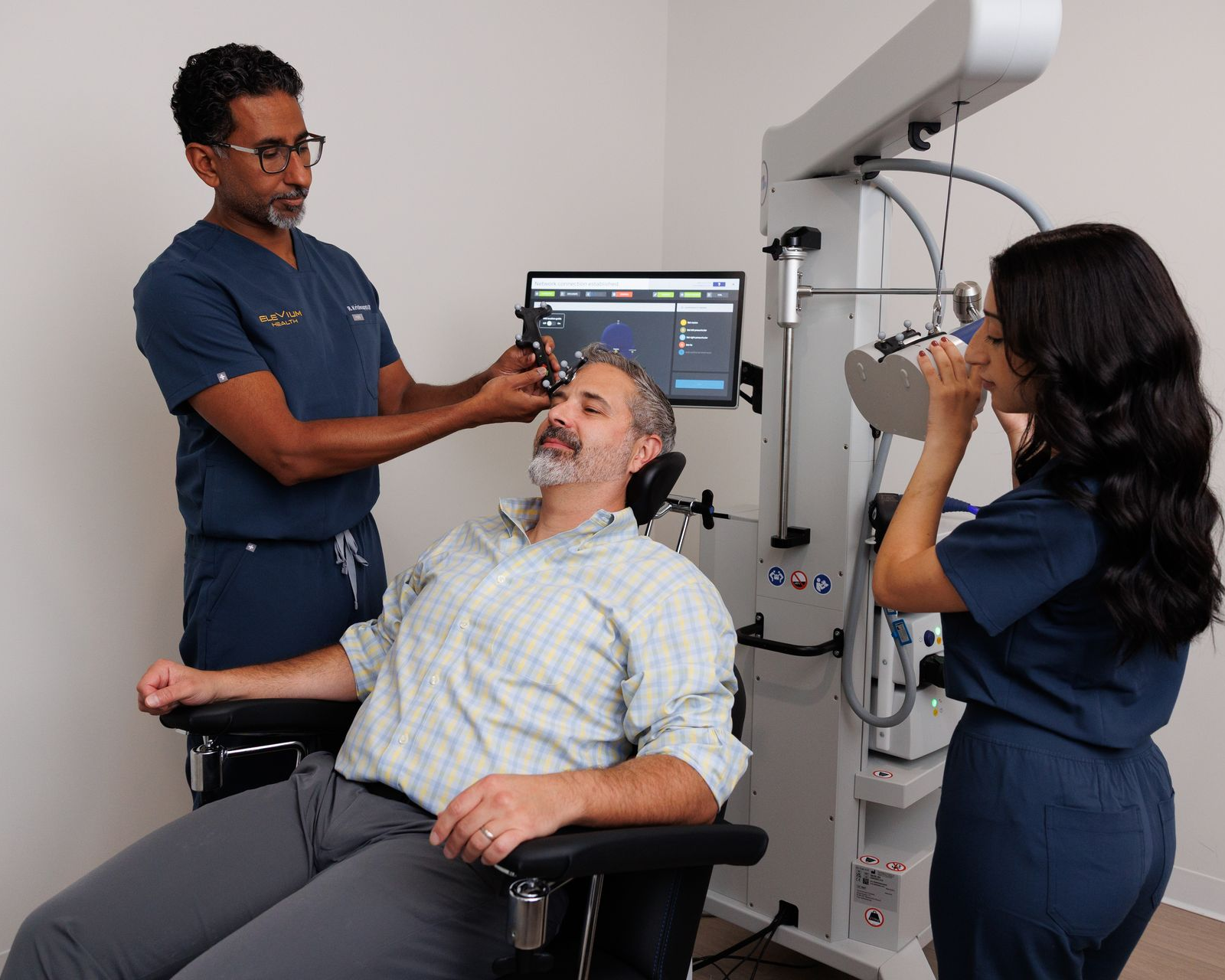
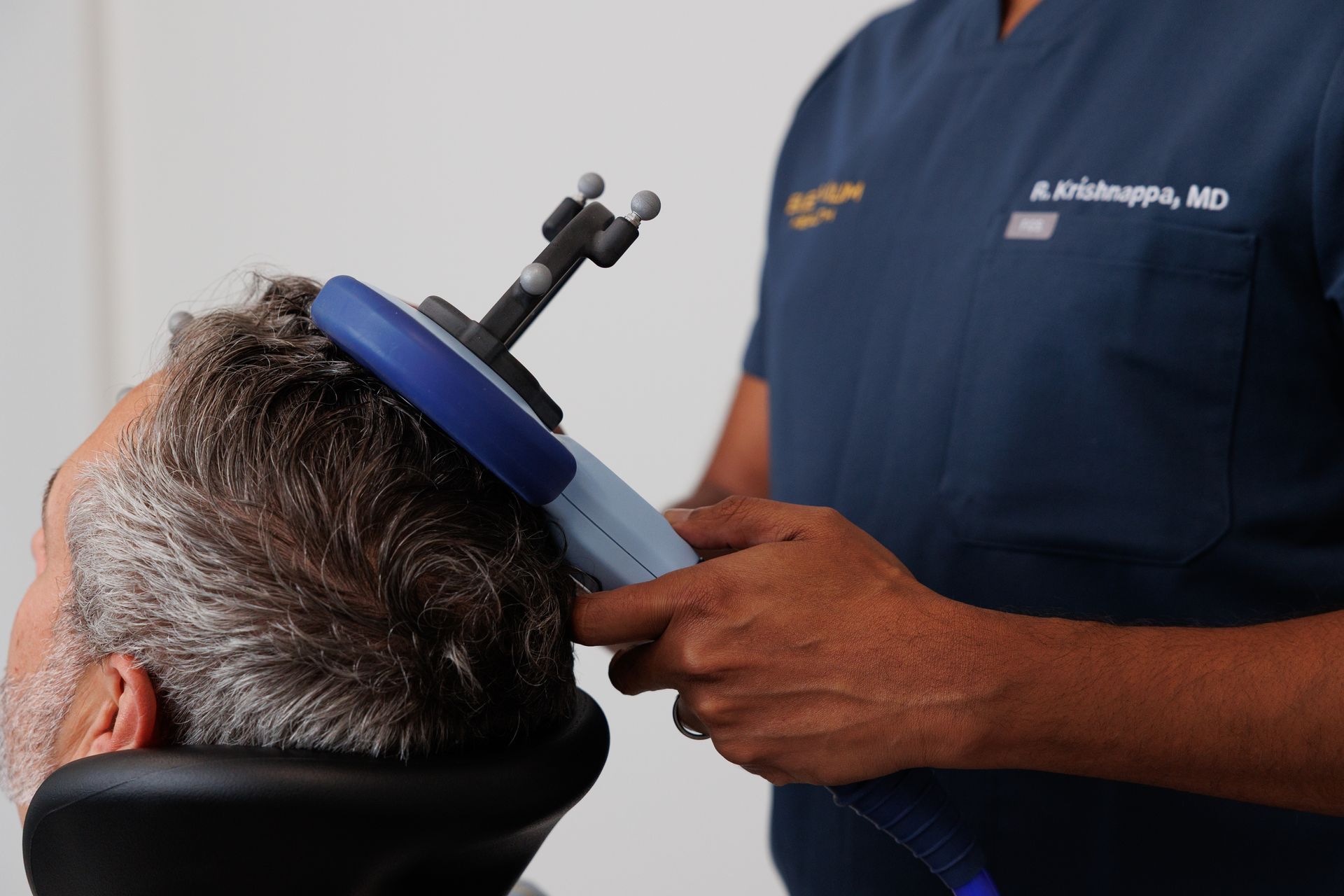
Occasionally, issues with coil placement, stimulation strength, or session frequency may hinder progress. At Elevium, we carefully monitor these parameters and tailor them to your specific needs.
Lack of Oversight Elsewhere
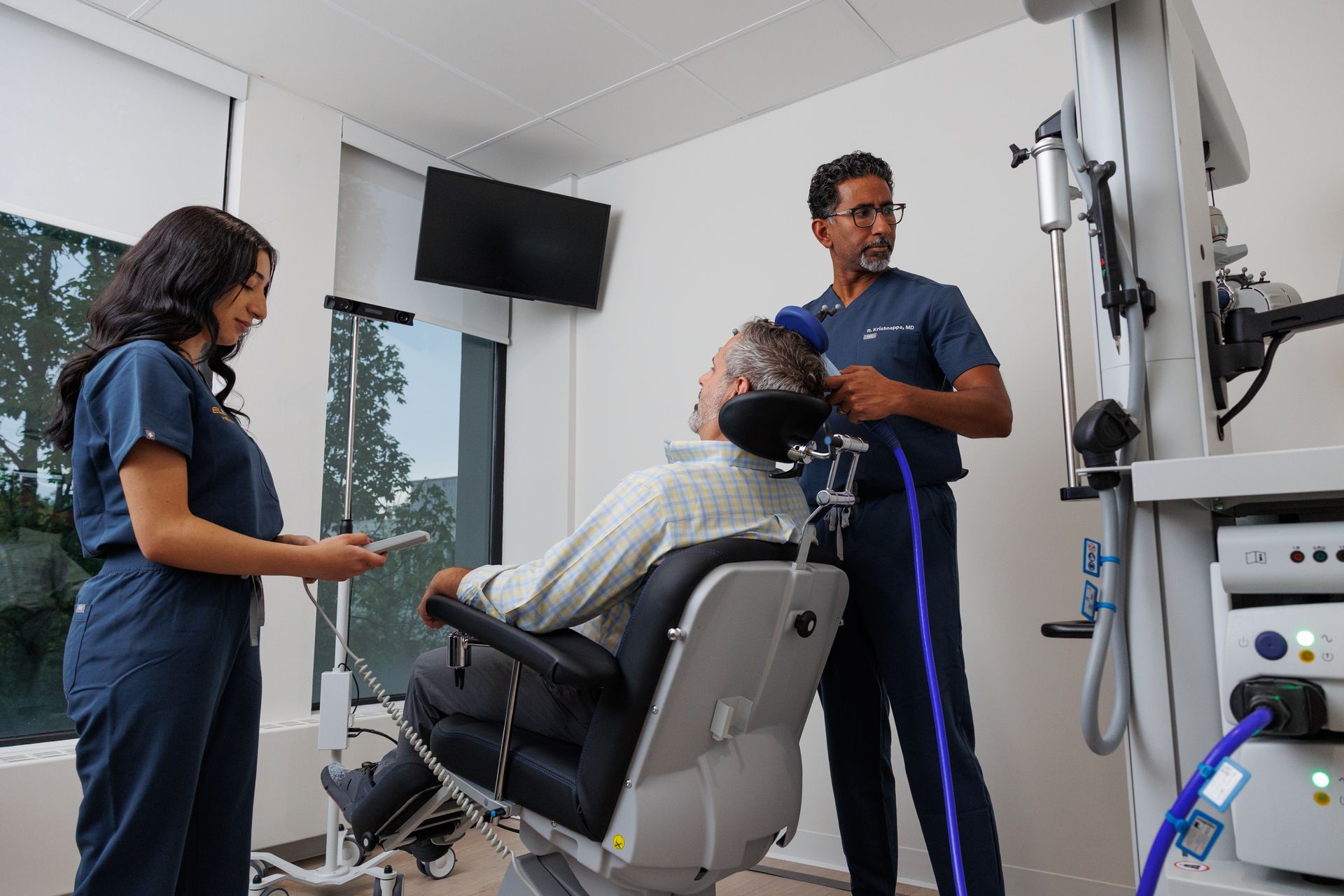
Some patients may report poor results after receiving treatment at non-specialized or poorly monitored facilities. Elevium ensures every session is physician-supervised with thorough safety checks.
| Symptom | How Common | Management |
|---|---|---|
| Scalp Tingling / Discomfort | 20–30% | Adjust coil placement, topical numbing |
| Headache | 10–20% | OTC pain relievers |
| Fatigue or Lightheadedness | 5–15% | Rest after sessions |
| Temporary Irritability | 5–10% | Slow ramp-up in intensity |
| Delayed Response | Varies | Adjust treatment parameters |
These symptoms are usually
temporary and manageable. At Elevium, we address them proactively.
Rare but Serious Reactions
While extremely uncommon, especially in a supervised medical setting, serious side effects can include:
- Seizures: Risk is under 0.1% with proper protocols.
- Hearing changes: We provide protective earplugs for every session.
- Mood instability: Our clinicians watch closely for agitation or anxiety spikes and intervene early.
Elevium follows rigorous FDA-approved protocols and ongoing clinician oversight to keep your experience safe and comfortable.
How Elevium Reduces Risk and Improves Results
- Comprehensive Psychiatric Evaluation before starting
- Tailored TMS Plans customized for each individual
- Gradual ramp-up of stimulation intensity for better comfort
- Vital sign & symptom monitoring before, during, and after each session
- Integrated Care:
Therapy,
medication management, and lifestyle support
What If My Symptoms Worsen?
Don’t panic - there’s a plan.
- Tell your care team immediately
- Reassess & Adjust: We’ll look at dosage, coil position, and session frequency
- Supplement with Therapy: Talk therapy often supports smoother outcomes
- Emergency Protocols in Place: We’re ready, just in case

Why Choose Elevium for TMS?
- Board-Certified Psychiatrists oversee your care
- Fully FDA-compliant and physician-supervised treatments
- Collaborative care model - TMS isn’t isolated, it’s integrated
- Modern, comfortable treatment environment in New Jersey
We understand how vulnerable it can feel starting a new treatment. That’s why we’re committed to transparency, safety, and support every step of the way.
Take our short quiz to see if you’re a good candidate for TMS
Share Article